
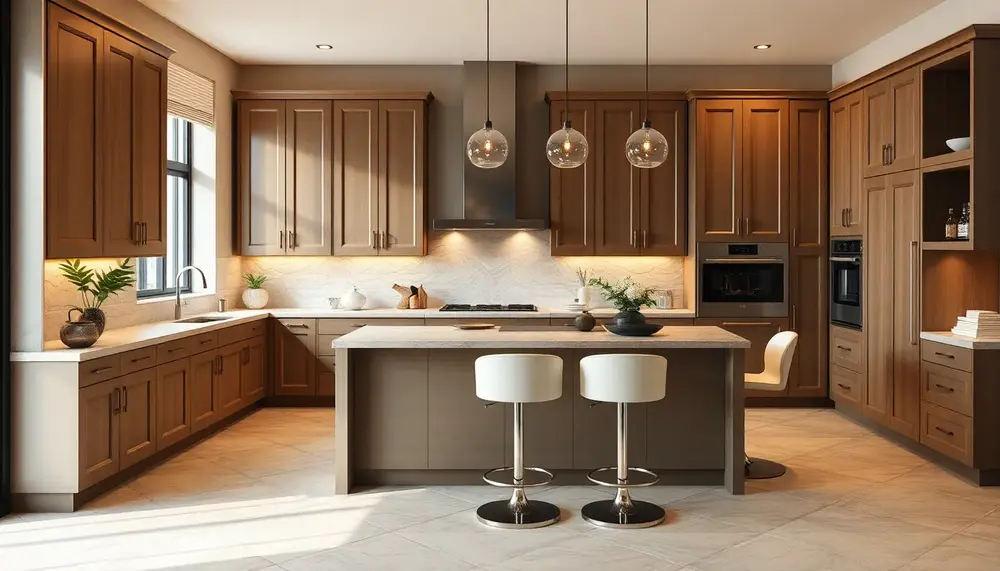
Table of Contents:
Understanding Kitchen Furniture Design Principles
Understanding kitchen furniture design principles is crucial for creating a space that is both functional and aesthetically pleasing. When approaching kitchen design, several key elements come into play, each contributing to the overall efficiency and comfort of the area.
1. Functionality: The primary purpose of kitchen furniture is to facilitate cooking, dining, and social interaction. Consider how each piece will be used daily. For example, a kitchen island should provide ample workspace while also serving as a gathering spot for family and friends.
2. Space Optimization: Kitchens often have limited space, so it’s essential to design furniture that maximizes every inch. Utilize vertical storage solutions like wall-mounted shelves and cabinets to free up counter space. Additionally, multi-functional furniture, such as tables that extend or storage benches, can be very effective.
3. Ergonomics: Comfort should never be overlooked. Ensure that countertops are at a comfortable height, and seating is appropriately designed for extended use. This consideration not only enhances usability but also promotes a healthy kitchen environment.
4. Aesthetic Appeal: The visual aspect of kitchen furniture design is equally important. Choose a cohesive color palette and style that reflects your personality and complements the overall theme of your home. This could range from modern minimalist designs to warm, traditional looks. Textures and materials play a significant role here—mixing wood, metal, and fabric can add depth to the space.
5. Sustainability: With a growing emphasis on environmental consciousness, selecting sustainable materials for kitchen furniture is becoming increasingly relevant. Look for furniture made from recycled or responsibly sourced materials, which not only reduces your carbon footprint but also enhances the longevity of your kitchen elements.
6. Personalization: Finally, infuse your kitchen with personal touches. Whether it's through unique decor pieces, family heirlooms, or custom-built furniture, personalizing your kitchen will make it a welcoming space that resonates with you and your family.
By considering these principles—functionality, space optimization, ergonomics, aesthetic appeal, sustainability, and personalization—you can create a kitchen that is not just a cooking area but a beloved part of your home.
Choosing the Right Materials for Your Kitchen Furniture
Choosing the right materials for your kitchen furniture is essential for achieving both style and durability. Here’s a breakdown of some popular materials and their benefits to help you make an informed decision.
- Wood: A classic choice, wood brings warmth and character to your kitchen. Different types of wood, such as oak, maple, and cherry, offer varying grain patterns and colors. Solid wood is durable but can be more expensive. Consider engineered wood options for a more budget-friendly solution that still looks great.
- Metal: Often used in modern designs, metal offers a sleek and industrial feel. Stainless steel is popular for its resistance to stains and corrosion, making it ideal for kitchen environments. It’s perfect for tables, chairs, and even cabinetry, providing a contemporary edge.
- Glass: Glass is a versatile material that can create an open and airy feel in your kitchen. Use it for tabletops, cabinet doors, or shelving. Tempered glass is recommended for safety and durability. Pairing glass with wood or metal can create striking contrasts.
- Laminate: A cost-effective alternative to solid wood and stone, laminate is available in various colors and patterns, mimicking the look of more expensive materials. It’s easy to clean and maintain, making it a practical choice for busy kitchens.
- Stone: Materials like granite, marble, and quartz are timeless and add a touch of luxury to your kitchen. While they can be pricey, their durability and resistance to heat and scratches make them worthwhile investments for countertops and backsplashes.
- Composite Materials: These are engineered products that combine various materials to enhance performance. For instance, composite countertops can provide the look of stone with improved durability and less maintenance. They are available in a wide range of styles and colors.
When selecting materials, consider not only the aesthetic appeal but also the functionality and maintenance requirements. A good mix of materials can enhance both the beauty and usability of your kitchen, creating a space that is uniquely yours.
Incorporating Color Schemes in Kitchen Design
Incorporating color schemes in kitchen design is a powerful way to influence the mood and functionality of the space. Color can make a kitchen feel warm and inviting or fresh and modern. Here are some key considerations when choosing colors for your kitchen furniture.
- Understanding Color Psychology: Colors evoke emotions and can significantly affect how we feel in a space. For example, warm colors like red and orange can create a lively atmosphere, while cool colors like blue and green promote calmness. Consider what mood you want to create and choose colors that align with that vision.
- Choosing a Color Palette: A cohesive color palette enhances the overall aesthetic. Opt for a combination of three to five colors that complement each other. You might choose a neutral base, like white or gray, and add pops of color through accessories, furniture, or paint. Tools like color wheels can help visualize complementary colors.
- Accent Colors: Utilizing accent colors is a great way to add personality without overwhelming the space. Consider using bold colors for bar stools, cabinet hardware, or an island. This approach allows for flexibility; if you decide to change the accent color, it’s easy and inexpensive to do so.
- Trends and Timelessness: While it’s tempting to follow current trends, choose colors that will stand the test of time. Neutral colors tend to be more versatile, while trendy hues can be used in smaller doses. For example, if you love a trendy color, consider it for small appliances or decorative elements rather than large furniture pieces.
- Lighting Effects: The color of your kitchen can change dramatically with different lighting. Natural light will make colors appear different than artificial light. When selecting colors, test samples in various lighting conditions to see how they interact throughout the day.
- Personal Style: Ultimately, your kitchen should reflect your personal style. Don’t hesitate to incorporate colors that resonate with you, whether they are bold and vibrant or soft and muted. Your kitchen is a space for family and friends, and it should feel like home.
By thoughtfully incorporating color schemes into your kitchen design, you can create a space that is not only functional but also aesthetically pleasing and reflective of your personal taste.
Exploring Different Kitchen Styles
Exploring different kitchen styles is essential for creating a space that reflects your personal taste and lifestyle. Each style has unique characteristics, materials, and layouts that can significantly influence the overall feel of your kitchen. Here are some popular kitchen styles to consider:
- Shaker Style: Known for its simplicity and functionality, Shaker-style kitchens feature clean lines, minimal ornamentation, and practical designs. This style often includes wooden cabinets with recessed panel doors, offering a timeless appeal that blends well with both traditional and modern elements.
- Modern Style: Characterized by sleek surfaces and a minimalist approach, modern kitchens prioritize functionality and efficiency. They often incorporate materials like stainless steel, glass, and high-gloss finishes. Open floor plans and integrated appliances are common, creating a seamless look.
- Traditional Style: Traditional kitchens evoke a sense of warmth and nostalgia. They typically feature detailed woodwork, ornate cabinetry, and classic color palettes. Elements such as crown molding, decorative hardware, and natural stone countertops enhance the elegance of this style.
- Farmhouse Style: A blend of rustic charm and modern comfort, farmhouse kitchens often include large, functional spaces with vintage accents. Features like farmhouse sinks, reclaimed wood, and open shelving create a welcoming atmosphere, perfect for family gatherings and entertaining.
- Industrial Style: Inspired by urban lofts, industrial kitchens showcase raw materials and a rugged aesthetic. Exposed brick, metal fixtures, and concrete surfaces are hallmarks of this style. The use of open shelving and vintage elements adds character and a unique touch.
- Contemporary Style: Often confused with modern design, contemporary kitchens reflect current trends and innovations. They embrace a mix of materials, colors, and textures, allowing for flexibility in design. This style often features bold colors, artistic elements, and cutting-edge appliances.
When choosing a kitchen style, consider how it aligns with your lifestyle and the overall design of your home. Each style offers distinct features that can enhance functionality while providing a beautiful backdrop for your culinary adventures.
Maximizing Space with Smart Furniture Solutions
Maximizing space with smart furniture solutions is essential, especially in kitchens where every square foot counts. By utilizing innovative designs and multifunctional pieces, you can create a more efficient and enjoyable cooking environment. Here are some effective strategies to consider:
- Multi-functional Furniture: Invest in furniture that serves more than one purpose. For example, a kitchen island can provide extra counter space while also functioning as a dining area or storage unit. Look for tables that can extend or retract based on your needs.
- Vertical Storage Solutions: Take advantage of vertical space by installing wall-mounted shelves or cabinets that reach up to the ceiling. This not only helps in storing items but also draws the eye upwards, making the kitchen feel larger.
- Corner Units: Corners are often underutilized in kitchens. Incorporate corner cabinets with rotating shelves or lazy Susans to make the most of these awkward spaces. This can dramatically increase your storage capacity.
- Foldable and Collapsible Furniture: Consider using foldable chairs and tables that can be tucked away when not in use. This flexibility allows you to adapt your kitchen layout based on the occasion, whether it's a family dinner or a casual breakfast.
- Open Shelving: Instead of traditional upper cabinets, open shelving can create an airy feel while providing easy access to frequently used items. It encourages organization and can be styled with decorative dishware or plants.
- Built-in Appliances: Opt for built-in appliances that blend seamlessly with your cabinetry. This not only saves space but also creates a streamlined look. For example, a built-in microwave or refrigerator can free up counter space for other uses.
By implementing these smart furniture solutions, you can maximize your kitchen's functionality and create a space that is not only efficient but also inviting. Thoughtful design choices will help you utilize every inch while maintaining a stylish aesthetic.
The Role of Freestanding Furniture in Modern Kitchens
The role of freestanding furniture in modern kitchens has gained significant attention as homeowners seek to create more personalized and functional spaces. Unlike traditional built-in cabinetry, freestanding furniture offers versatility and adaptability, making it an attractive option for various kitchen styles. Here’s how freestanding furniture enhances modern kitchens:
- Flexibility in Layout: Freestanding pieces allow for easy rearrangement, enabling homeowners to modify their kitchen layout according to changing needs or preferences. This adaptability is particularly beneficial in open-concept spaces where the kitchen flows into dining or living areas.
- Unique Aesthetic: Freestanding furniture adds character and charm to the kitchen. Items like vintage tables, eclectic chairs, and custom cabinets can serve as statement pieces that reflect personal style. This individuality contrasts with the uniformity often found in built-in systems.
- Increased Storage Options: Freestanding units can provide additional storage solutions without the commitment of built-in cabinetry. For instance, a stylish sideboard can hold dishes and utensils, while a baker's rack offers space for appliances and ingredients, keeping the kitchen organized and functional.
- Enhanced Social Interaction: With freestanding furniture, it’s easier to create inviting gathering spots. A large kitchen island with seating encourages family and friends to come together, making cooking a communal activity rather than a solitary chore.
- Cost-Effectiveness: Freestanding furniture can be a more budget-friendly alternative to custom cabinetry. Homeowners can choose pieces that fit their budget while still achieving a polished look. Moreover, these pieces can be replaced or upgraded without extensive renovations.
- Complementing Various Styles: Freestanding furniture seamlessly integrates into different kitchen styles, from rustic farmhouse to sleek modern designs. This versatility allows homeowners to mix and match furniture pieces that align with their overall design vision.
Incorporating freestanding furniture into modern kitchens not only maximizes functionality but also enhances the overall aesthetic. This approach encourages creativity and personalization, allowing homeowners to craft spaces that truly feel like their own.
Creating a Functional Kitchen Layout
Creating a functional kitchen layout is fundamental to enhancing efficiency and making the most of your space. A well-thought-out layout allows for seamless movement, effective use of storage, and an enjoyable cooking experience. Here are key principles to consider when designing your kitchen layout:
- The Work Triangle: This classic design principle focuses on the relationship between the sink, stove, and refrigerator. The ideal layout should form a triangle where each side measures between 4 to 9 feet. This minimizes unnecessary steps and makes meal preparation more efficient.
- Zones for Cooking, Cleaning, and Storage: Divide your kitchen into distinct zones for different activities. For instance, have a cooking zone with your stove and utensils, a cleaning zone with the sink and dishwasher, and a storage zone for pantry items and cookware. This organization allows for a more streamlined workflow.
- Clear Pathways: Ensure that there is enough space between furniture and appliances for easy movement. A minimum of 42 inches is recommended for walkways in kitchens to allow multiple people to navigate comfortably, especially during busy cooking times.
- Accessibility: Design your layout with accessibility in mind. Place frequently used items within easy reach and consider incorporating pull-out shelves, lazy Susans, or drawer dividers to enhance usability. This reduces clutter and improves efficiency when cooking or cleaning.
- Incorporate Seating Wisely: If space allows, integrate seating areas into your layout. Breakfast nooks or bar stools at the kitchen island can create a welcoming environment for family gatherings. Ensure that seating does not obstruct traffic flow in the kitchen.
- Lighting Considerations: Good lighting is crucial for a functional kitchen. Utilize a combination of ambient, task, and accent lighting to illuminate work areas and create a warm atmosphere. Ensure that all zones are well-lit to facilitate cooking and cleaning tasks.
By applying these principles, you can create a kitchen layout that enhances functionality, promotes organization, and caters to your specific needs. A well-designed kitchen not only improves your cooking experience but also adds value to your home.
Sustainable Furniture Choices for Your Kitchen
Sustainable furniture choices for your kitchen are becoming increasingly important as more homeowners seek to minimize their environmental impact. By selecting eco-friendly materials and designs, you can create a kitchen that is not only functional but also aligned with sustainability goals. Here are several key considerations for making sustainable choices:
- Materials Matter: Opt for furniture made from renewable or recycled materials. Bamboo, for example, is a fast-growing plant that can be harvested sustainably. Reclaimed wood is another excellent choice, as it reduces waste and adds character to your kitchen.
- Low-VOC Finishes: Choose furniture that is finished with low or no volatile organic compounds (VOCs). These chemicals can be harmful to both health and the environment. Look for products labeled as low-VOC or zero-VOC to ensure a healthier kitchen atmosphere.
- Durability and Longevity: Invest in high-quality furniture that is built to last. Durable materials and craftsmanship reduce the need for frequent replacements, which can lead to waste. Consider timeless designs that won’t go out of style, ensuring your kitchen remains functional for years.
- Local Sourcing: Supporting local manufacturers can significantly reduce the carbon footprint associated with transportation. Look for local artisans and companies that produce sustainable kitchen furniture, which often results in a smaller environmental impact.
- Energy-Efficient Appliances: When selecting furniture that accommodates appliances, prioritize energy-efficient options. Look for ENERGY STAR-rated products that consume less energy, contributing to overall sustainability in your kitchen.
- Modular and Adaptable Designs: Consider modular furniture that can be adapted as your needs change. This flexibility allows you to modify your kitchen without needing to purchase entirely new pieces, reducing waste and resource consumption.
By incorporating these sustainable choices into your kitchen furniture design, you can create a beautiful and eco-friendly space that reflects your commitment to the environment. Every small decision contributes to a larger impact, making your kitchen not only a place for cooking but also a step towards a more sustainable lifestyle.
Combining Aesthetics and Functionality in Kitchen Design
Combining aesthetics and functionality in kitchen design is essential for creating a space that not only looks good but also works effectively for everyday use. Striking the right balance between these two elements can enhance the cooking experience while ensuring the kitchen remains a stylish focal point in the home.
- Prioritizing Ergonomics: Aesthetic choices should not compromise comfort and usability. Design elements like cabinet heights, countertop depth, and the positioning of appliances should cater to the user’s needs. For instance, placing frequently used items within easy reach can improve workflow and minimize strain.
- Harmonizing Colors and Materials: Selecting a color palette that complements the materials used in furniture and appliances can create a cohesive look. For example, pairing warm wood tones with soft, neutral colors can evoke a welcoming atmosphere while maintaining practical surfaces that are easy to clean.
- Incorporating Stylish Storage Solutions: Creative storage solutions can enhance both the aesthetic and functionality of a kitchen. Open shelving can display beautiful dishware while providing easy access, whereas cleverly designed cabinets can hide clutter, keeping the kitchen looking tidy and organized.
- Lighting Design: Good lighting is crucial in a kitchen. Layered lighting—combining ambient, task, and accent lighting—serves both functional and decorative purposes. Pendant lights over an island can create a stunning visual element while ensuring adequate illumination for food preparation.
- Flexible Furniture Arrangements: Consider using furniture that can adapt to different needs, such as extendable dining tables or movable islands. This flexibility allows homeowners to host gatherings or create more space for cooking, effectively blending functionality with style.
- Personal Touches: Adding personal elements, such as art, decorative items, or unique furniture pieces, can enhance the kitchen's character. These touches should complement the overall design while reflecting individual tastes, making the kitchen a true representation of the homeowner’s personality.
By thoughtfully integrating aesthetics and functionality, you can create a kitchen that not only serves its practical purpose but also becomes a beautiful and inviting space for family and friends to gather.
Tips for Selecting Kitchen Appliances and Fixtures
Selecting kitchen appliances and fixtures is a crucial step in the design process, as these elements significantly impact both functionality and aesthetics. Here are some essential tips to guide you in making informed choices:
- Assess Your Cooking Style: Consider how often you cook and the types of meals you prepare. If you frequently host gatherings, investing in larger appliances, such as a double oven or a spacious refrigerator, may be beneficial. Understanding your cooking habits helps prioritize which appliances are essential.
- Energy Efficiency: Look for appliances with high energy efficiency ratings, such as those labeled with ENERGY STAR. These appliances not only reduce energy consumption, leading to lower utility bills, but also contribute to a more sustainable kitchen environment.
- Size and Space Considerations: Measure your kitchen space accurately to ensure that appliances fit comfortably without crowding the area. Keep in mind that door swings and clearance for ventilation are crucial, especially for larger appliances like refrigerators and ovens.
- Style Compatibility: Choose appliances that complement your kitchen's design style. For a modern kitchen, sleek stainless steel appliances may be ideal, while retro-style appliances can enhance a vintage kitchen aesthetic. Consistency in style creates a harmonious look throughout the space.
- Smart Technology Features: Consider investing in smart appliances that offer advanced features such as Wi-Fi connectivity, touch controls, and programmable settings. These innovations can enhance convenience and efficiency, allowing you to control appliances remotely or receive alerts when tasks are complete.
- Fixtures Quality: Don’t overlook the importance of high-quality fixtures, such as faucets and sinks. Look for durable materials like stainless steel or brass that can withstand daily use. Features like pull-down sprayers and touchless activation can enhance functionality and ease of use.
- Warranty and Support: Check the warranty offered by manufacturers. A comprehensive warranty can provide peace of mind regarding the durability and reliability of your appliances. Additionally, consider the availability of customer support and service options for troubleshooting and repairs.
By following these tips, you can select appliances and fixtures that not only meet your functional needs but also enhance the overall aesthetic of your kitchen. Thoughtful selections will contribute to a well-designed space that is both practical and visually appealing.
Designing for Comfort: The Importance of Seating
Designing for comfort in the kitchen is essential, especially when it comes to seating. The kitchen often serves as a gathering place for family and friends, making the choice of seating both a functional and aesthetic consideration. Here are several key aspects to keep in mind when selecting and arranging seating in your kitchen:
- Ergonomics: Prioritize comfort by selecting chairs and stools that support good posture. Look for options with appropriate height and back support, particularly for seating areas where people may linger for meals or socializing.
- Variety of Seating Options: Consider incorporating different types of seating to accommodate various activities. Bar stools at an island, a cozy breakfast nook, or a dining table with comfortable chairs can cater to different needs and preferences, creating a versatile space.
- Material Selection: Choose durable and easy-to-clean materials for seating, especially in high-traffic areas. Fabrics like synthetic leather or treated upholstery can withstand spills and stains, while wood or metal frames provide longevity and stability.
- Space Planning: Ensure that seating arrangements do not obstruct movement within the kitchen. Maintain clear pathways and adequate spacing between chairs and tables to allow for easy access and comfort while seated.
- Personal Style: Reflect your personal taste through the choice of seating. Whether opting for modern, traditional, or eclectic styles, the seating should harmonize with the overall kitchen design while adding character to the space.
- Multi-functionality: Consider pieces that can serve multiple purposes. For example, a bench with storage underneath can provide additional seating while keeping the kitchen organized. This practicality enhances comfort without compromising on style.
- Incorporating Soft Textiles: Adding cushions or throw pillows to chairs and benches can enhance comfort and warmth. Choose removable covers for easy cleaning, and select colors or patterns that tie into your kitchen's color scheme.
By focusing on these aspects, you can create a comfortable seating arrangement that not only enhances the functionality of your kitchen but also invites relaxation and social interaction, making it a true heart of the home.
Utilizing Open Shelving in Kitchen Design
Utilizing open shelving in kitchen design offers a blend of practicality and style, allowing homeowners to showcase their personality while maximizing storage. Here are some key benefits and considerations when incorporating open shelving into your kitchen:
- Enhanced Accessibility: Open shelves provide easy access to frequently used items, such as dishware, spices, and cooking utensils. This arrangement can streamline cooking and meal prep, reducing the time spent searching for essentials.
- Visual Appeal: Open shelving creates an opportunity to display beautiful dishware, cookbooks, and decorative items. This not only adds character to the kitchen but also allows for personal expression through curated displays.
- Space Optimization: Open shelves can be installed in various configurations, making them an excellent solution for maximizing vertical space. They can fit into areas that traditional cabinets cannot, such as above countertops or between windows, enhancing the overall functionality of the kitchen.
- Light and Airy Feel: Open shelving contributes to an open and spacious atmosphere, making smaller kitchens feel larger. By eliminating bulky cabinet doors, light can flow freely, creating a more inviting environment.
- Encourages Organization: With open shelving, the visibility of items encourages better organization. Homeowners are more likely to keep shelves tidy and curated when everything is on display, which can lead to a more efficient kitchen.
- Design Flexibility: Open shelves can complement various kitchen styles, from rustic farmhouse to sleek modern designs. They can be made from different materials, such as wood, metal, or glass, allowing for customization to match the overall aesthetic of the kitchen.
- Cost-Effective Solution: Compared to traditional cabinetry, open shelving can be a more budget-friendly option. With fewer materials and simpler installation, homeowners can save money while still achieving a stylish look.
Incorporating open shelving into your kitchen design can significantly enhance functionality and aesthetics. By carefully selecting items to display and considering the overall layout, you can create an organized and visually appealing kitchen that reflects your style and meets your everyday needs.
Integrating Storage Solutions into Your Kitchen Furniture
Integrating storage solutions into your kitchen furniture design is crucial for maintaining an organized and efficient space. With clever storage options, you can maximize your kitchen's functionality while keeping it stylish. Here are some effective strategies to consider:
- Drawer Dividers: Utilize drawer dividers to keep utensils, cutlery, and kitchen tools organized. This not only makes it easier to find what you need but also ensures that the drawer space is used efficiently.
- Pull-Out Shelves: Incorporate pull-out shelves in cabinets to improve accessibility to items stored at the back. This design minimizes bending and reaching, making it easier to access pantry goods and cookware.
- Built-In Bins: Consider installing built-in bins or trash pull-outs within cabinetry. This keeps waste and recycling hidden while providing easy access, promoting cleanliness and organization in the kitchen.
- Hanging Storage: Use wall-mounted racks or hooks to store pots, pans, and utensils. This not only saves cabinet space but also adds a decorative element to the kitchen, showcasing your cookware.
- Corner Cabinets: Make the most of corner spaces with specialized corner cabinets, such as lazy Susans or pull-out systems. These solutions help eliminate dead space and improve storage capacity.
- Open Shelving: While primarily decorative, open shelving can also serve as a functional storage solution. Use it to display frequently used items like spices and dishes, making them easily accessible while adding visual interest.
- Integrated Appliances: Design cabinetry to accommodate integrated appliances, such as dishwashers or microwaves. This not only enhances the aesthetics of the kitchen but also frees up counter space, providing more room for food preparation.
- Modular Storage Units: Invest in modular storage units that can be rearranged as needed. These flexible solutions allow you to adapt your storage to changing needs over time, making your kitchen more versatile.
By thoughtfully integrating these storage solutions into your kitchen furniture design, you can create a space that is both functional and visually appealing. A well-organized kitchen enhances your cooking experience and allows for a smoother workflow, making it a joy to spend time in.
Personalizing Your Kitchen with Unique Decor Elements
Personalizing your kitchen with unique decor elements can transform the space into a reflection of your individual style and preferences. These personal touches not only enhance the aesthetic appeal of the kitchen but also create a warm and inviting atmosphere. Here are several ways to incorporate unique decor elements into your kitchen:
- Artwork and Prints: Hang framed artwork or prints that resonate with your personality. Consider pieces that evoke culinary themes or vibrant colors to create a focal point. This can add character and make the kitchen feel more like a living space.
- Statement Lighting: Choose unique light fixtures, such as pendant lights or chandeliers, that serve as artistic elements. A striking light fixture can become a conversation starter and elevate the overall design of the kitchen.
- Decorative Dishware: Display your favorite dishware on open shelves or within glass-front cabinets. Colorful plates, vintage bowls, or handmade ceramics can add a personal touch while being functional at the same time.
- Plants and Greenery: Incorporating plants, such as herbs or decorative foliage, can bring life to your kitchen. Use stylish pots or hanging planters to create an organic feel, which not only beautifies the space but can also provide fresh ingredients for cooking.
- Personal Heirlooms: If you have family heirlooms or sentimental items, incorporate them into your kitchen decor. Whether it’s a vintage rolling pin or a collection of cookbooks, these pieces can tell a story and make the space feel more personal.
- Color Accents: Use colorful accessories, such as kitchen towels, rugs, or decorative bowls, to introduce pops of color that match your overall color scheme. These accents can easily be changed with the seasons or as your style evolves.
- Custom Furniture: Consider commissioning custom-made furniture pieces that reflect your style. Whether it’s a unique dining table or a personalized kitchen island, custom furniture can serve as a functional and artistic centerpiece.
By thoughtfully incorporating these unique decor elements, you can create a kitchen that is not only functional but also a true reflection of your personal style. A personalized kitchen enhances your cooking experience and makes it a welcoming space for family and friends.
Trends in Kitchen Furniture Design Post-Pandemic
Trends in kitchen furniture design have evolved significantly in the post-pandemic era, reflecting changes in lifestyle and preferences. As people have spent more time at home, the kitchen has transformed into a multifunctional space that combines cooking, dining, and social interaction. Here are some key trends shaping kitchen furniture design today:
- Focus on Flexibility: Homeowners are increasingly seeking flexible furniture solutions that can adapt to various needs. Modular furniture, such as movable islands and extendable tables, allows for easy reconfiguration of space, accommodating both intimate family meals and larger gatherings.
- Natural Materials: There is a growing preference for sustainable and natural materials in kitchen furniture. Wood, stone, and organic fabrics are favored for their aesthetic appeal and environmental benefits. These materials create a warm and inviting atmosphere while being durable and long-lasting.
- Wellness-Oriented Design: The emphasis on wellness has led to kitchens designed with health in mind. This includes incorporating features like better ventilation systems, ergonomic furniture, and the use of non-toxic materials, which contribute to a healthier cooking environment.
- Smart Technology Integration: The rise of smart home technology has influenced kitchen design, with appliances and furniture being integrated with IoT (Internet of Things) capabilities. This includes smart refrigerators, ovens with remote access, and automated lighting systems that enhance convenience and efficiency.
- Open and Airy Spaces: Homeowners are leaning towards open shelving and minimalistic designs that create a sense of space. This trend eliminates bulky cabinets and allows for a more spacious feel, making the kitchen a more welcoming environment.
- Color and Texture Experimentation: The post-pandemic kitchen sees a departure from solely neutral color schemes. Homeowners are embracing bold colors and unique textures to express their individuality. This includes colorful cabinetry, textured backsplashes, and vibrant decorative elements that add personality to the space.
- Multi-Functional Furniture: With the kitchen serving multiple purposes, there is a rise in multi-functional furniture. Pieces that combine storage with seating or workspaces that can transform into dining areas are becoming increasingly popular, maximizing utility without sacrificing style.
These trends reflect a shift towards creating kitchens that are not only functional but also tailored to individual lifestyles. By embracing flexibility, sustainability, and personal expression, homeowners can design kitchens that truly serve as the heart of the home.
Frequently Asked Questions About Kitchen Furniture Design
What are the main principles of kitchen furniture design?
The main principles include functionality, space optimization, ergonomics, aesthetic appeal, sustainability, and personalization, ensuring that the kitchen is both practical and visually pleasing.
How can I maximize space in a small kitchen?
You can maximize space by using multi-functional furniture, installing vertical storage solutions, incorporating corner units, and utilizing foldable or collapsible pieces to optimize every inch available.
What materials are best for kitchen furniture?
Popular materials for kitchen furniture include wood for warmth, metal for a modern look, glass for an airy feel, and durable composites or laminates for budget-friendly options.
How can color schemes impact kitchen design?
Color schemes can greatly influence the mood of a kitchen, with warm colors creating a lively atmosphere and cool colors promoting calmness. A cohesive palette enhances overall aesthetic appeal.
What role does lighting play in kitchen design?
Lighting is crucial in kitchen design for functionality and ambiance. A combination of ambient, task, and accent lighting can enhance the usability of workspaces while creating an inviting atmosphere.