
Table of Contents:
Langley Ceiling Light by Vaughan Designs: A Refined Starting Point
The Langley Ceiling Light by Vaughan Designs offers a composed starting point for an interior that should feel considered rather than crowded. As part of the brand’s Lighting → Ceiling Lights range, it can help establish a clear visual centre while leaving room for furniture, textiles, and artwork to speak in their own voices.
That balance matters in Langley homes, where a single room may need to support quiet evenings, conversation, reading, and entertaining. A ceiling light gives the scheme an overhead anchor, but its real value lies in how it shapes the mood around it. Used with restraint, it can make a room feel finished without making the lighting fixture the only thing people notice.
Because no verified specifications, dimensions, finishes, pricing, or availability details are provided here, assess the fixture through its confirmed design role rather than imagined technical features. Check the current Vaughan Designs product page before planning an installation, particularly for the product image, fitting instructions, recommended bulb information, and approved finishes.
A useful design test is simple: view the Langley Ceiling Light alongside the room’s largest visual elements. Does it sit comfortably with the dining table, sofa, ceiling height, and sightlines from the doorway? If so, it can become a quiet piece of visual punctuation—subtle, but not forgettable.
Choosing the Right Room for a Langley Ceiling Light
The best room for the Langley Ceiling Light depends on the atmosphere you want to create, not simply on available ceiling space. In a Langley home, begin with rooms where an overhead fitting can be seen clearly and support the way the space is used.
- Dining room: A strong choice when you want the ceiling light to define the table area and give meals a more intimate feel.
- Entrance hall: Useful for establishing a polished first impression, especially where visitors see the fitting as soon as they enter.
- Living room: Suitable when the ceiling light needs to add character without competing with a fireplace, artwork, or a prominent view.
- Bedroom: Consider it where a calm, decorative focal point is more important than bright task lighting.
- Landing or corridor: A good option for adding continuity between rooms, provided the fitting does not obstruct movement or feel oversized.
Room proportions should guide the decision. A compact entrance may benefit from a visually lighter presence, while a broad dining area can usually carry a more noticeable centrepiece. Also inspect the ceiling line, door swings, furniture placement, and sightlines from nearby rooms. These small details determine whether the fixture feels intentional or slightly lost.
Before choosing the final location, mark the proposed centre point with removable tape or a paper template. View it from seated and standing positions, then check how it relates to windows and wall features. This quick exercise often reveals problems that a product photograph cannot show.
Creating a Balanced Ceiling Lighting Plan in Langley
A balanced ceiling lighting plan gives the Langley Ceiling Light a clear job within the room. It should support the layout without forcing every activity to depend on one overhead source. Think in layers: general light for movement, focused light for tasks, and softer points that add depth after dark.
Start by mapping the room into use zones. A dining table, reading chair, kitchen island, and circulation path may need different levels of brightness. Place the ceiling fitting where it supports the room’s main shared area, then use separate fixtures for detailed work. This prevents harsh glare and keeps the space adaptable.
- Ambient layer: Provides broad illumination for safe, comfortable movement.
- Task layer: Targets activities such as reading, cooking, studying, or preparing food.
- Accent layer: Draws attention to artwork, shelves, architectural details, or textured walls.
- Low-level layer: Adds a calmer evening glow through table lamps, wall lights, or concealed sources.
Use the furniture plan before deciding on switching positions. A light switch near the entrance can control the main fitting, while a second control near a seating or dining zone makes the room easier to use at night. Dimmers are valuable where compatible, because one fixed brightness rarely suits breakfast, work, and entertaining equally well.
Watch for glare. Shiny floors, glass tables, mirrors, and pale painted ceilings can reflect more light than expected. Test the fitting at eye level from the sofa and dining chairs, not only from the centre of the room. If the light feels sharp, adjust the surrounding layers rather than simply increasing brightness.
Colour temperature also affects the design. Warm white light, commonly around 2700–3000 K, tends to flatter timber, textiles, and warm paint colours. Cooler light may suit utility areas, but it can make a relaxed living space feel rather clinical. Confirm the lamp and dimming requirements on the current product documentation before installation.
Pairing the Ceiling Light with Vaughan Designs Lampshades
Pair the Langley Ceiling Light with a lampshade from Vaughan Designs by treating the two elements as one visual composition. The shade should support the fitting’s character, soften its presence, and connect it with the room’s wider palette. The best pairing usually feels deliberate, not overly matched.
Begin with proportion. Compare the shade’s width and height with the visible scale of the ceiling fitting and the room’s architectural volume. A shade that looks too small can make the fixture appear top-heavy. One that is too large may hide important details and dominate the ceiling. Because verified product dimensions are not available here, use the manufacturer’s current measurements before ordering.
Colour creates the next link. A neutral shade can calm a room with patterned upholstery, while a deeper tone may give a pale interior more definition. If the space already contains several colours, repeat one existing hue rather than introducing another. This small echo can make the scheme feel collected—quietly clever, really.
- Match the mood: Choose a shade tone that supports the room’s intended feeling, from relaxed and soft to crisp and formal.
- Balance visual weight: Relate the shade to nearby curtains, upholstery, rugs, or large artwork.
- Control pattern: Use a plain shade when the room has strong motifs; consider pattern only when the surrounding surfaces are restrained.
- Check the silhouette: View the fitting from the doorway and from the main seating position before making a final choice.
Texture can be just as important as colour. A tactile shade may add depth to a room filled with smooth painted surfaces, while a cleaner finish can prevent a layered scheme from becoming fussy. Avoid selecting by catalogue image alone. Screen colours vary, and fabric texture often changes under artificial light.
Explore the Vaughan Designs lampshades range alongside the Langley Ceiling Light, then confirm compatibility, fitting method, material, dimensions, and availability on the official product pages. Those details are not established in the available information, so they should never be guessed.
Coordinating Furniture and Textiles with the Lighting Scheme
Furniture and textiles give the Langley Ceiling Light its visual context. Instead of matching every item, build a clear relationship between the overhead fitting and the room’s strongest shapes, tones, and textures. The aim is cohesion with a little breathing room.
Use furniture to create visual balance beneath the fitting. A broad table, low sofa, or substantial sideboard can anchor the ceiling element, while a room filled with delicate pieces may need a lighter arrangement below it. Keep the main furniture grouping legible from the doorway; clutter can weaken even a well-chosen fixture.
Textiles are useful for repeating colour without making the scheme look staged. Pick one quiet connection between the light and the soft furnishings, such as a warm neutral echoed in curtains or a muted tone found in a cushion. Do not force an exact colour match. Slight variation often feels richer and more natural.
- Relate scale: Let the visual weight of the sofa, dining table, or bed inform the surrounding composition.
- Repeat texture: Balance smooth furniture with woven, brushed, or nubby textiles.
- Manage contrast: Use darker upholstery or timber to give a pale lighting scheme definition.
- Leave pauses: Empty wall and floor areas stop the room from feeling overworked.
Consider sightlines between connected rooms. A textile colour that appears in the hall, living room, and dining area can create continuity, while identical furniture finishes throughout may feel too staged. One repeated detail is enough; the rest can shift subtly.
For a more tailored result, assemble fabric samples, timber swatches, and paint cards under the room’s evening light. Photographs can flatten texture and alter colour, so a physical board is still the more reliable judge. Check the current Vaughan Designs collections for compatible furniture and textiles, and verify each item’s dimensions, finish, price, and availability before specifying it.
Building a Cohesive Look with Vaughan Designs Collections
Vaughan Designs collections can help turn the Langley Ceiling Light into part of a wider interior language. Instead of selecting isolated pieces, use the collections area to identify recurring design cues, then carry those cues through the room with care. This creates unity without making every object look as if it arrived in one box.
Begin with a visual audit of the collection pages. Look for repeated proportions, line quality, colour families, and decorative details. These signals are more useful than copying a complete display. Choose one or two as anchors, then allow the rest of the room to remain quieter.
- Choose a design thread: Repeat a shape, finish, or level of ornament across selected pieces.
- Vary the scale: Combine dominant and supporting objects so the room has rhythm rather than a flat catalogue look.
- Keep one area restrained: A calm wall, clear tabletop, or open floor zone gives decorative pieces room to breathe.
- Compare connected spaces: Carry a subtle cue between rooms instead of duplicating an entire collection everywhere.
The Projects and Inspiration sections can be useful for studying how individual pieces work in finished settings. Focus on placement and editing: notice what is absent as much as what is present. A successful scheme often depends on leaving out one tempting item.
Use the Collections area as a source of direction, not as proof that every item will suit the Langley Ceiling Light. Product specifications, dimensions, materials, pricing, stock status, and compatibility are not confirmed here. Check the relevant Vaughan Designs pages before creating a final specification.
Using Projects and Inspiration to Guide Your Interior Design
The Projects and Inspiration sections can help you move from a striking image to a workable plan for the Langley Ceiling Light. Use them as visual case studies, not as shopping lists. The most useful question is: Which design decision makes this room feel resolved?
- Study the room’s architecture: Note how the fitting relates to beams, cornices, wall openings, and ceiling transitions.
- Read the composition: Observe the balance between the central light, artwork, windows, and open space.
- Track the viewing angle: Check whether the fitting is designed to be admired from the entrance, a seating area, or below.
- Separate inspiration from evidence: A styled photograph shows an intended mood; it does not confirm product dimensions, installation limits, or current stock.
Save only images that answer a practical design question. For example, one reference may show how a ceiling light sits within a period interior, while another may reveal how much visual space is left around a decorative centrepiece. This method keeps the research focused and avoids a muddled mood board.
When comparing projects, look for repeated patterns across different settings. If the Langley Ceiling Light remains effective in both a richly detailed room and a quieter scheme, its design may offer useful flexibility. Still, do not assume that the photographed configuration matches your own ceiling, wiring, or room scale.
The Inspiration area is also helpful for testing emotional direction. Ask whether you want the room to feel tailored, relaxed, dramatic, or quietly traditional. Select references that support one clear direction, then remove images that pull the scheme elsewhere. A little ruthless editing works wonders.
A Practical Example: Styling a Langley Living Room
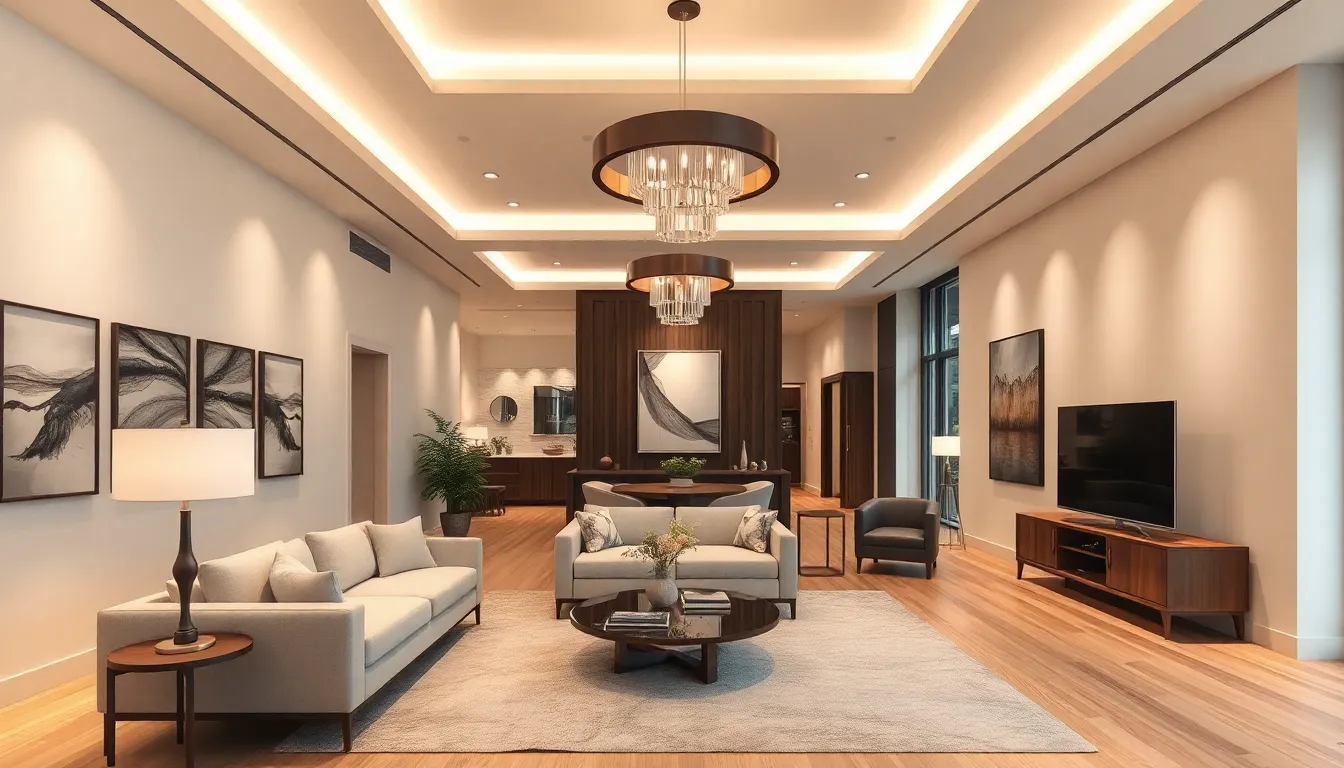
Picture a Langley living room with the Langley Ceiling Light positioned over the main conversation area, not automatically in the geometric centre of the room. This placement gives the seating arrangement a clear sense of purpose and helps the ceiling fitting relate to how people actually use the space.
Build the room in three steps. First, place the sofa and chairs so that their sightlines encourage conversation. Next, keep the central walking route open from the doorway to the garden, hall, or adjoining room. Finally, use a low table or compact ottoman to connect the seating group without blocking the visual axis beneath the light.
- Use the fireplace carefully: If the room has one, let it remain a secondary focal point rather than placing competing decoration directly below the ceiling fitting.
- Frame the windows: Keep tall furniture away from the brightest glazing so daylight and evening views retain their impact.
- Edit the coffee table: Choose a few useful objects, then leave enough surface visible for everyday living.
- Protect circulation: Maintain a comfortable route around the seating group and check head clearance before installation.
- Layer the walls: Use artwork or shelving to give the room vertical interest without crowding the ceiling zone.
For a practical colour direction, start with one quiet base, one timber or natural note, and a single darker accent. Repeat the accent in small doses rather than spreading it across every surface. This makes the room feel intentional while preserving the calm character expected from a well-edited interior.
Test the arrangement at different times of day. Morning light can make a scheme appear crisp, while cloudy Langley weather may expose weak contrast or awkward shadows. At night, switch on the room’s supporting fixtures and look for dark corners, reflections on screens, and glare on framed glass.
How to Explore and Select the Product Online
Explore the Vaughan Designs website through Products → Lighting → Ceiling Lights to locate the Langley Ceiling Light. This route keeps the search focused and reduces the chance of confusing a ceiling fitting with a lamp, shade, or decorative accessory.
Read the product page as a specification document, not only as a gallery. Check the current description, image set, downloadable files, installation notes, bulb information, finish options, lead time, and returns policy. The available information here does not confirm any of these details, so treat the live listing as the controlling source.
- Confirm the product name: Make sure the page identifies the Langley Ceiling Light rather than a similarly styled item.
- Review the images: Inspect close views, side angles, ceiling photographs, and any scale references.
- Record verified details: Note dimensions, weight, material, finish, lamp type, and electrical requirements only when the page states them.
- Check order conditions: Look for current price, stock status, delivery timing, and made-to-order information.
- Ask before buying: Contact Vaughan Designs if a specification, finish, or fitting question remains unclear.
Save the product page URL and the date you checked it. Product listings can change, especially for finishes, pricing, and availability. A dated record gives your interior designer, contractor, or electrician a clear reference and prevents an old screenshot from becoming an accidental specification.
Before placing an order, compare the confirmed product data with the installation point. The electrician should verify ceiling support, cable position, switching, earthing, and compatibility with the chosen lamp or control system. Do not rely on a styled photograph for electrical or structural decisions.
Keep related browsing separate. Lampshades, Furniture, Textiles, Collections, Projects, Inspiration, and Company pages may help with design direction, but they do not replace the Langley product specification. This simple distinction makes online selection faster, clearer, and much less prone to costly assumptions.
Fazit: Use the Langley Ceiling Light to Elevate Your Interior Design
The Langley Ceiling Light by Vaughan Designs works best when it is treated as a considered design decision, not an afterthought. Its role is to give the room a finished point of focus while supporting the character already created by the architecture and furnishings.
Before committing, return to the official route Products → Lighting → Ceiling Lights and confirm every detail directly on the current product page, including dimensions, materials, electrical requirements, price, lead time, and availability. None of these specifications should be assumed from images or editorial styling.
A successful final choice should pass three tests:
- Visual fit: It belongs naturally within the room’s proportions and design language.
- Practical fit: The ceiling, wiring, controls, and installation conditions support the intended use.
- Long-term fit: The design still feels right when trends, furniture, or colour schemes change.
Use the wider Vaughan Designs website to refine the decision, but keep inspiration separate from verified product facts. The sections for Lampshades, Furniture, Textiles, Collections, Projects, and Inspiration can help shape the surrounding interior. The Company and contact areas may also provide a direct route for questions that the product page does not answer.
For technical decisions, involve a qualified electrician and request written confirmation from the manufacturer where needed. That final check protects the design, the installation, and the people using the room. In short, the Langley Ceiling Light can elevate a Langley interior when its visual appeal is matched by careful selection and accurate specification.
Frequently Asked Questions About Design Lighting in Langley
What is a suitable starting point for design lighting in Langley?
The Langley Ceiling Light by Vaughan Designs is a refined starting point for creating a considered interior. It can establish a visual centre while allowing furniture, textiles, artwork, and architectural features to remain part of the overall design.
Which rooms are suitable for the Langley Ceiling Light?
The Langley Ceiling Light may suit a dining room, entrance hall, living room, bedroom, landing, or corridor. The best location depends on the room’s proportions, ceiling height, furniture arrangement, circulation routes, and intended atmosphere.
How can the Langley Ceiling Light be integrated into a layered lighting plan?
Use the ceiling light as part of an overall layered scheme. Combine general illumination with task lighting for activities such as reading or cooking, accent lighting for artwork and architectural features, and softer low-level lighting for evening use.
How should furniture and textiles be coordinated with design lighting?
Coordinate the Langley Ceiling Light with furniture and textiles by balancing scale, visual weight, colour, and texture. Repeat one or two subtle design cues, such as a muted colour or natural texture, without matching every element exactly.
Where can the Langley Ceiling Light be checked and specified?
Find the product through the Vaughan Designs navigation path Products → Lighting → Ceiling Lights. Check the current product page for verified dimensions, materials, finishes, electrical requirements, pricing, lead time, availability, and installation information before ordering.