
Table of Contents:
Embrace the Vibrancy of Urban Luxury Interior Design
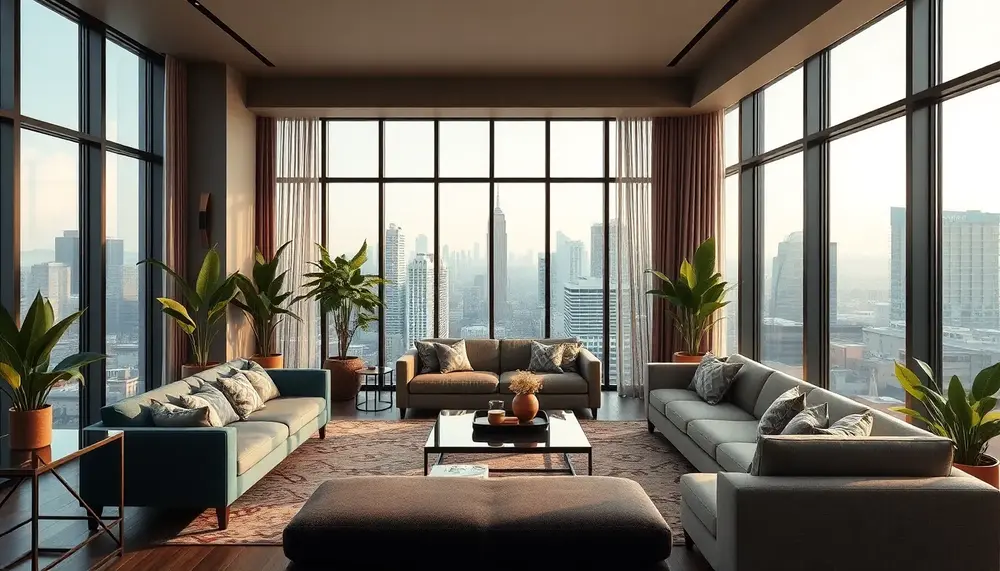
Embracing the vibrancy of urban luxury interior design means more than just following trends; it’s about creating spaces that reflect the dynamic energy of city life while offering comfort and sophistication. Urban luxury is characterized by a harmonious blend of modern aesthetics and functionality, where each element is thoughtfully curated to enhance the overall living experience.
Here are some key aspects to consider:
- Bold Color Palettes: Using vibrant colors can invigorate a space. Think deep blues, rich greens, or bold reds that contrast elegantly with neutral tones. These choices not only add personality but also create focal points within the room.
- High-Quality Materials: Incorporating materials like marble, hardwood, and high-end metals elevates the design. These elements not only look beautiful but also stand the test of time, reflecting the luxury associated with urban living.
- Innovative Lighting: Lighting plays a crucial role in urban luxury design. Layered lighting options, including ambient, task, and accent lights, can create a warm and inviting atmosphere. Consider fixtures that are both functional and sculptural.
- Art and Culture: Integrating local art and cultural elements into your design can add depth and a sense of place. Whether it’s a statement piece or a curated gallery wall, art can evoke emotion and tell a story.
- Green Spaces: Bringing nature indoors through plants or green walls can enhance air quality and overall well-being. Urban luxury design thrives on this connection with nature, creating a serene escape from the bustling city.
Incorporating these elements not only enhances the aesthetic appeal of your space but also cultivates a lifestyle that values comfort and elegance. Embrace the vibrancy of urban luxury interior design to transform your living environment into a sophisticated sanctuary amidst the urban landscape.
Defining Urban Luxury Interior Design
Defining urban luxury interior design involves understanding its essence, which is a blend of sophistication, comfort, and modern aesthetics tailored for urban living. It reflects the fast-paced lifestyle of city dwellers while ensuring that their homes are not only functional but also provide a sense of refuge and style.
Urban luxury design is characterized by:
- Contemporary Aesthetics: This style embraces sleek lines, minimalistic forms, and modern materials. Think of open spaces that seamlessly connect living areas, creating an expansive feel even in smaller urban apartments.
- High-End Finishes: Quality is paramount. Urban luxury interiors often feature premium materials such as quartz countertops, hardwood floors, and designer fixtures that add a touch of elegance.
- Personalization: Customization is key to urban luxury. Tailored furniture and bespoke decor elements allow homeowners to express their individuality and create spaces that are uniquely theirs.
- Smart Integration: Technology is subtly integrated into the design. Smart home systems enhance convenience and control while maintaining the aesthetic integrity of the space.
- Functional Spaces: Every inch is utilized efficiently. Multifunctional furniture and innovative storage solutions ensure that urban dwellers can enjoy comfort without sacrificing space.
This design philosophy not only prioritizes visual appeal but also considers the emotional and psychological aspects of living in a bustling urban environment. By creating spaces that are both beautiful and functional, urban luxury interior design meets the demands of modern city life while providing a sanctuary for relaxation and rejuvenation.
Impact of Urban Lifestyle on Interior Design
The impact of urban lifestyle on interior design is profound and multifaceted, shaping how spaces are conceived and utilized in bustling metropolitan areas. As cities evolve and grow, so do the needs and preferences of their inhabitants. This has led to a distinctive approach in designing urban luxury interiors that cater specifically to the demands of modern city living.
Several key factors illustrate this influence:
- Space Optimization: Urban dwellers often face limitations in square footage. This reality necessitates innovative design solutions that maximize available space. Multifunctional furniture, such as convertible sofas or expandable dining tables, allows for flexible use of rooms, catering to both everyday living and entertaining.
- Community and Connectivity: The urban lifestyle emphasizes social interaction and community engagement. Interior designs now often incorporate communal spaces, such as shared lounges or rooftop gardens, fostering a sense of belonging among residents in high-rise buildings.
- Urban Aesthetics: The vibrancy of city life is reflected in the design choices. Bold colors, unique textures, and artistic elements inspired by local culture and architecture create a dynamic atmosphere that resonates with the energy of the urban environment.
- Sustainability Concerns: With increasing awareness of environmental issues, urban luxury design often incorporates sustainable materials and energy-efficient technologies. This not only meets the ethical demands of consumers but also enhances the overall appeal of the living space.
- Technological Integration: As technology becomes an integral part of daily life, urban interiors are designed to accommodate smart home systems that enhance convenience, security, and energy management. This seamless integration of technology into the living environment is a hallmark of contemporary urban luxury.
Ultimately, the impact of urban lifestyle on interior design is about more than aesthetics; it’s about creating spaces that resonate with the unique rhythms of city life, offering comfort, functionality, and a touch of luxury amidst the hustle and bustle. By embracing these elements, designers can craft environments that not only meet practical needs but also enrich the urban experience.
Key Features of Urban Luxury Interior Design
Key features of urban luxury interior design create a unique aesthetic that reflects the vibrancy and dynamism of city living. This style goes beyond mere decoration; it encapsulates a lifestyle marked by sophistication and functionality. Here are the essential elements that define urban luxury interiors:
- Open Layouts: Emphasizing spaciousness, urban luxury interiors often feature open floor plans. This design choice fosters an airy feel, allowing for seamless transitions between different areas of the home.
- Floor-to-Ceiling Windows: Maximizing natural light is crucial. Large windows not only invite sunlight but also frame stunning city views, enhancing the connection between indoor and outdoor spaces.
- High-End Materials: The use of premium materials like natural stone, hardwood, and designer finishes is a hallmark of urban luxury. These materials not only elevate the aesthetic but also ensure durability and longevity.
- Customizable Features: Personalization is key. Tailored furniture and bespoke design elements allow homeowners to express their individual style, making each space truly unique.
- Integrated Technology: Smart home features are seamlessly incorporated into the design. From automated lighting to advanced climate control, technology enhances comfort and convenience while maintaining a sleek appearance.
- Focus on Wellness: Urban luxury interiors prioritize well-being, often incorporating elements such as air purification systems, natural light, and biophilic design principles that connect inhabitants with nature.
- Artistic Expression: Art plays a pivotal role in urban luxury design. Whether through curated art collections or statement pieces, integrating art adds character and reflects the cultural richness of urban environments.
These features combine to create living spaces that are not only visually appealing but also deeply functional, catering to the needs of modern urban dwellers. By embracing these elements, urban luxury interior design transforms ordinary spaces into extraordinary homes that resonate with the essence of city life.
Colors and Materials in Urban Luxury
Colors and materials play a pivotal role in defining urban luxury interior design. The choice of hues and textures not only influences the aesthetic appeal of a space but also impacts the overall ambiance and emotional response of its inhabitants. In urban settings, where space can be limited, the effective use of color and material can create a sense of openness and sophistication.
Key aspects to consider include:
- Vibrant Color Schemes: Urban luxury often embraces bold and rich colors. Deep jewel tones like emerald green, sapphire blue, and ruby red can serve as accent colors, adding drama and depth. These hues can be complemented with neutral backgrounds to balance their intensity.
- High-Quality Finishes: The use of premium materials such as polished marble, granite, and high-end wood finishes is essential. These materials not only convey luxury but also offer durability, ensuring that the design withstands the test of time.
- Textural Variety: Mixing textures enhances visual interest. Consider combining smooth surfaces, like glass and metal, with softer materials such as plush fabrics or natural fibers. This interplay of textures creates a tactile experience that invites touch and exploration.
- Accent Walls: Creating an accent wall using bold paint, wallpaper, or unique materials like reclaimed wood or stone can add character to a room. This focal point draws the eye and creates a sense of intrigue, enhancing the overall design narrative.
- Natural Elements: Incorporating elements like wood, stone, and even plants brings a touch of nature into urban interiors. These organic materials soften the modernity of urban spaces, creating a harmonious balance between the natural and built environments.
- Metallic Accents: The use of metallic finishes, such as brass, gold, or chrome, can add a touch of glamour to urban luxury designs. These accents can be found in light fixtures, furniture, and accessories, reflecting light and enhancing the overall elegance of the space.
Incorporating these color and material strategies allows for the creation of sophisticated, inviting environments that reflect the vibrancy of urban life while providing a luxurious living experience. Thoughtful selection and combination of colors and materials ultimately transform spaces into personalized sanctuaries amidst the hustle and bustle of the city.
Furniture and Accessories for Urban Elegance
Furniture and accessories are essential components in creating urban elegance within interior design. They not only serve functional purposes but also contribute significantly to the overall aesthetic and atmosphere of a space. In urban luxury design, the right selection of furniture and accessories can transform a room into a sophisticated retreat, reflecting the vibrancy of city life.
Key considerations for choosing furniture and accessories in urban luxury include:
- Minimalist Designs: Opting for sleek, minimalist furniture helps maintain an uncluttered look while providing essential functions. Pieces with clean lines and subtle curves can enhance the spatial flow, making even smaller areas feel more expansive.
- Statement Pieces: Incorporating standout items, such as a bold coffee table or a striking armchair, adds personality to the decor. These pieces should complement the overall design theme while providing a focal point that draws the eye.
- Layered Textiles: Using a variety of textiles—such as plush throws, decorative pillows, and area rugs—can introduce warmth and comfort. This layering effect not only enhances tactile appeal but also adds depth to the design.
- Functional Accessories: Accessories should serve a purpose while enhancing style. Consider items like elegant storage solutions, decorative trays, or stylish bookends that combine practicality with visual interest.
- Artistic Elements: Art and decorative objects play a crucial role in personalizing urban spaces. Incorporate locally sourced art or unique sculptures that resonate with the cultural context of the urban environment.
- Lighting Fixtures: Unique lighting can elevate a space dramatically. Choose sculptural light fixtures that serve as both art and illumination, providing ambiance while highlighting architectural features.
By thoughtfully selecting furniture and accessories that align with the principles of urban luxury, homeowners can create spaces that are not only functional but also rich in character and style. This approach to design fosters an environment that reflects the elegance and dynamism of urban living.
Spatial Design: Open Layouts and Multifunctionality
Spatial design in urban luxury interior design focuses on creating open layouts and multifunctional spaces that cater to the dynamic needs of city living. This approach not only maximizes the utility of available space but also enhances the overall aesthetic appeal of homes in high-rise developments.
Key elements of spatial design include:
- Flexible Room Configurations: Spaces are designed to be adaptable, allowing homeowners to easily reconfigure areas for different purposes. For instance, a living room can double as an entertainment area or a workspace, depending on the time of day or occasion.
- Defined Zones: Even in open layouts, it’s essential to create distinct zones for various activities. This can be achieved through the use of area rugs, furniture placement, or even room dividers, which help delineate spaces without compromising openness.
- Natural Flow: A well-designed space promotes an easy flow from one area to another. This is particularly important in urban settings where movement between spaces should feel intuitive and seamless, enhancing the overall experience of the home.
- Smart Storage Solutions: In urban luxury design, clever storage solutions are critical. Built-in shelves, under-stair storage, and multifunctional furniture with hidden compartments help maintain a clutter-free environment, allowing the beauty of the design to shine.
- Integrated Technology: As urban living often involves a fast-paced lifestyle, integrating technology into the spatial design is vital. Smart home systems can control lighting, temperature, and security, allowing for a personalized and convenient living experience.
By prioritizing open layouts and multifunctionality, urban luxury interior design not only enhances the livability of spaces but also reflects the vibrant lifestyle of city dwellers. This thoughtful approach creates environments that are both aesthetically pleasing and highly functional, catering to the unique demands of urban life.
The Importance of Light and Ceiling Height
The importance of light and ceiling height in urban luxury interior design cannot be overstated. These elements significantly influence not only the aesthetics of a space but also the overall mood and functionality. Well-considered lighting and ceiling height can transform a room, making it feel more spacious, inviting, and luxurious.
Key aspects to consider include:
- Natural Light: Maximizing natural light is essential in urban environments, where buildings can often obstruct sunlight. Large windows, skylights, and open layouts help to flood interiors with light, creating a vibrant and uplifting atmosphere. This not only enhances the visual appeal but also positively impacts the occupants' well-being.
- Ceiling Height: High ceilings are a hallmark of luxury design. They create a sense of grandeur and openness, making spaces feel less confined. Tall ceilings also allow for larger windows, which can further enhance natural light and provide stunning views of the urban landscape.
- Layered Lighting: Effective lighting design incorporates multiple layers, including ambient, task, and accent lighting. This approach allows for flexibility in how spaces are illuminated, catering to various activities and moods throughout the day. Dimmer switches can also be used to adjust brightness levels, enhancing comfort and atmosphere.
- Architectural Features: Exposed beams, vaulted ceilings, and decorative moldings can add character and elegance to a space. These architectural details not only draw the eye upward but also contribute to the overall design narrative, showcasing the unique aspects of urban luxury.
- Color Temperature: The choice of light bulbs can affect how a space feels. Warmer light can create a cozy and inviting ambiance, while cooler light can enhance a modern and sleek look. Understanding the impact of color temperature helps in selecting the right fixtures for different areas of the home.
Incorporating these elements thoughtfully ensures that urban luxury interiors are not only visually stunning but also comfortable and functional. By emphasizing the importance of light and ceiling height, designers can create spaces that truly resonate with the vibrancy of urban living.
Cultural Influences in Urban Design
Cultural influences play a significant role in shaping urban luxury interior design, reflecting the diverse backgrounds and traditions of city inhabitants. As urban areas become melting pots of cultures, the integration of these influences into design not only enhances the aesthetic but also fosters a deeper connection between the space and its occupants.
Here are some key considerations regarding cultural influences in urban design:
- Local Art Integration: Incorporating artwork from local artists can provide a unique narrative to the space. This not only supports the local art community but also connects residents to their surroundings, making the interior feel more personal and reflective of the city’s identity.
- Cultural Symbolism: Design elements that incorporate symbols or motifs from various cultures can add layers of meaning and interest. For example, using textiles with traditional patterns can evoke a sense of history and cultural heritage within a modern context.
- Architectural Styles: Urban luxury design often draws inspiration from various architectural styles influenced by the cultures represented in the city. This could include elements such as arches, decorative moldings, or unique ceiling designs that pay homage to different cultural backgrounds.
- Color Palettes: The colors used in urban luxury interiors can reflect cultural significance and local trends. For instance, warm earth tones may be prevalent in designs inspired by Mediterranean cultures, while vibrant hues might be more common in spaces influenced by Latin American aesthetics.
- Functionality and Gathering Spaces: Many cultures emphasize communal living and social gatherings. Designing open spaces that encourage interaction, such as communal dining areas or shared lounges, can enhance the sense of community within urban developments.
By embracing these cultural influences, urban luxury interior design not only celebrates diversity but also creates environments that resonate with the stories and experiences of their inhabitants. This thoughtful integration fosters a sense of belonging and identity, enriching the overall living experience in urban settings.
Incorporating Nature into Urban Spaces
Incorporating nature into urban spaces is essential for creating a balanced and harmonious living environment. As urbanization increases, the need for green elements within city designs has become increasingly recognized for their benefits to mental well-being and overall quality of life. Here are several strategies to effectively integrate nature into urban luxury interior design:
- Indoor Plants: Incorporating a variety of indoor plants can improve air quality and add a sense of tranquility. Consider using a mix of large potted plants and smaller varieties on shelves or tables to create a lush, inviting atmosphere.
- Vertical Gardens: For those with limited floor space, vertical gardens offer a stunning solution. These living walls can be installed indoors or on balconies, providing a beautiful focal point while maximizing greenery in compact areas.
- Natural Materials: Utilizing materials such as wood, stone, and natural fibers helps to create a connection to the outdoors. Furniture made from reclaimed wood or stone accents can add warmth and texture to the design.
- Water Features: Incorporating water features like small fountains or aquariums can enhance the sensory experience of a space. The sound of flowing water promotes relaxation and creates a soothing ambiance.
- Natural Light Maximization: Designing spaces to maximize natural light not only enhances the aesthetic appeal but also mimics the outdoor experience. This can be achieved through large windows, skylights, or open layouts that allow light to flow freely.
- Biophilic Design Principles: Implementing biophilic design principles, which emphasize the human connection to nature, can significantly enhance urban interiors. This includes using natural light, organic shapes, and natural ventilation to create spaces that resonate with nature.
By thoughtfully incorporating these elements, urban luxury interiors can provide residents with a refreshing escape from the hustle and bustle of city life. This integration of nature not only enhances the aesthetic quality of the space but also promotes well-being, making urban living more enjoyable and sustainable.
The Role of Smart Home Technology
The role of smart home technology in urban luxury interior design is transformative, enhancing both the functionality and comfort of modern living spaces. As technology continues to evolve, its integration into home design has become essential, allowing residents to experience a seamless blend of convenience and luxury.
Key aspects of smart home technology in urban luxury include:
- Automation and Control: Smart home systems enable users to automate various functions such as lighting, temperature, and security. For instance, homeowners can adjust the thermostat or lighting through a smartphone app, creating the perfect ambiance with ease.
- Energy Efficiency: Smart technologies help optimize energy usage, leading to reduced utility bills and a lower environmental impact. Features like smart thermostats and energy-efficient appliances ensure that homes are not only luxurious but also sustainable.
- Enhanced Security: Integrated security systems, including smart locks, cameras, and alarm systems, provide peace of mind. Homeowners can monitor their property remotely, receive alerts, and control access points, ensuring safety without compromising aesthetics.
- Entertainment Integration: Smart home technology allows for seamless integration of entertainment systems. From multi-room audio setups to smart TVs, residents can enjoy customized entertainment experiences throughout their homes.
- Personalized Environments: Smart technologies can adapt to individual preferences. For example, lighting can be adjusted based on the time of day or activity, creating a personalized and inviting atmosphere for every occasion.
- Voice Control: With the rise of voice-activated assistants, controlling various aspects of the home has become more intuitive. Residents can use voice commands to adjust settings, making everyday interactions with their living space effortless.
By incorporating smart home technology, urban luxury interiors not only enhance the living experience but also align with the modern expectations of convenience and security. This integration allows homeowners to enjoy a sophisticated lifestyle while embracing the benefits of cutting-edge technology.
Sustainability in Urban Luxury Living
Sustainability in urban luxury living is increasingly becoming a priority as designers and homeowners alike recognize the importance of environmentally responsible practices. As urban areas expand, integrating sustainable elements into luxury design not only enhances the quality of life but also contributes to a healthier planet.
Key aspects of sustainability in urban luxury include:
- Eco-Friendly Materials: Utilizing sustainable materials such as reclaimed wood, bamboo, and recycled metals reduces the environmental footprint of a project. These materials are not only durable but also add unique character to interiors.
- Energy Efficiency: Incorporating energy-efficient appliances and systems, such as LED lighting and smart thermostats, helps minimize energy consumption. High-performance windows and insulation further enhance a building's energy efficiency, leading to significant cost savings over time.
- Water Conservation: Implementing water-saving fixtures, such as low-flow faucets and dual-flush toilets, can greatly reduce water usage in urban homes. Rainwater harvesting systems and greywater recycling also contribute to sustainable water management.
- Indoor Air Quality: Choosing low-VOC (volatile organic compounds) paints, finishes, and materials helps improve indoor air quality. Incorporating plants not only enhances aesthetic appeal but also purifies the air, making the living environment healthier.
- Sustainable Landscaping: Integrating green roofs, vertical gardens, and native plant landscaping promotes biodiversity and reduces urban heat. These features also provide insulation, improving energy efficiency while creating a serene outdoor retreat.
- Smart Home Technologies: Implementing smart technologies that monitor energy and water usage can significantly enhance sustainability efforts. Homeowners can track their consumption patterns and make adjustments to reduce waste, promoting a more eco-conscious lifestyle.
By prioritizing sustainability in urban luxury living, homeowners can create beautiful spaces that reflect their values while contributing positively to the environment. This commitment not only enhances the quality of life for residents but also sets a precedent for future developments in urban design.
Practical Tips for Implementing Urban Luxury Design
Implementing urban luxury design involves a thoughtful approach that marries aesthetics with functionality. Here are some practical tips to help you create sophisticated and inviting urban living spaces:
- Start with a Cohesive Color Palette: Choose a color scheme that reflects your style while maintaining a harmonious flow throughout the space. Consider using a mix of neutral tones as a base, accented with bold colors to create visual interest.
- Select Quality Over Quantity: Invest in high-quality furniture and accessories that will stand the test of time. Focus on pieces that offer both durability and style, ensuring that each item contributes to the overall luxury feel.
- Utilize Multifunctional Furniture: In urban environments where space can be limited, opt for furniture that serves multiple purposes. Look for sofas that convert into beds or coffee tables with hidden storage to maximize utility without sacrificing style.
- Incorporate Natural Elements: Bring the outdoors in by adding plants and natural materials. Incorporating greenery not only enhances aesthetics but also promotes well-being and a connection to nature.
- Focus on Lighting: Layer different types of lighting to create a warm and inviting atmosphere. Use a combination of ambient, task, and accent lighting to highlight architectural features and create the right mood for various activities.
- Embrace Technology: Integrate smart home solutions that enhance convenience and comfort. Smart lighting, thermostats, and security systems can be controlled from your devices, adding a modern touch to your luxury living experience.
- Personalize Your Space: Incorporate artwork and decor that resonate with your personality and experiences. Personal touches, such as family photos or travel souvenirs, can make a space feel uniquely yours while enhancing its charm.
- Plan for Flexibility: Design spaces that can easily adapt to different needs. This could include movable partitions, flexible seating arrangements, or convertible furniture that allows for easy reconfiguration.
By following these tips, you can create urban luxury interiors that are not only visually stunning but also practical and comfortable, perfectly suited to the fast-paced lifestyle of city living.
Choosing the Right Color Palette and Materials
Choosing the right color palette and materials is essential for creating a cohesive and inviting urban luxury interior. The selection process not only influences the aesthetic appeal but also sets the mood and enhances the functionality of a space. Here are some practical considerations to guide you in this important aspect of design:
- Understand Color Psychology: Different colors evoke various emotions and reactions. For example, blues and greens tend to create a calming atmosphere, while warmer tones like reds and oranges can energize a space. Think about the feelings you want to evoke in each room and select colors accordingly.
- Consider the Space's Purpose: The function of a room should guide your color choices. For instance, serene colors are ideal for bedrooms to promote relaxation, while vibrant hues can be great for social areas like living rooms or kitchens, encouraging conversation and activity.
- Use a Balanced Palette: Aim for a harmonious balance between dominant, secondary, and accent colors. A neutral base can be complemented with bolder colors to create visual interest without overwhelming the senses.
- Incorporate Textures: The materials you choose should enhance the overall design. Combining various textures—like smooth glass, soft fabrics, and rough stone—adds depth and richness to the space. Textured materials can also create tactile experiences that invite interaction.
- Mix Modern and Classic Elements: Don’t hesitate to blend contemporary materials with traditional ones. For example, pairing sleek metal fixtures with classic wood accents can create a timeless yet modern feel, bridging different design eras.
- Focus on Quality: Invest in high-quality materials that ensure longevity and durability. Luxury interiors often feature materials like marble, hardwood, and fine textiles, which not only look elegant but also stand up to the demands of urban living.
- Experiment with Patterns: Integrating patterns through fabrics, wallpapers, or tiles can add character and visual excitement. Be mindful to choose patterns that complement your overall design theme without clashing with other elements.
- Test Samples: Before making final decisions, obtain samples of paint colors and materials. Viewing them in the actual space under different lighting conditions can help you better understand how they will interact with one another and with the light in the room.
By thoughtfully selecting your color palette and materials, you can create urban luxury interiors that are not only stylish and sophisticated but also reflective of your personal taste and lifestyle. This careful curation will help to transform your space into a harmonious environment that resonates with the vibrancy of urban living.
Selecting Furniture and Accessories that Reflect Urban Luxury
Selecting furniture and accessories that reflect urban luxury is a crucial step in creating sophisticated and inviting interiors. The right choices can elevate a space, making it feel both stylish and functional. Here are some essential considerations to guide your selection process:
- Focus on Functionality: Choose furniture that serves multiple purposes. For instance, ottomans that can double as storage or coffee tables that expand for dining can maximize utility in smaller urban spaces while maintaining a luxurious feel.
- Invest in Statement Pieces: Look for standout items that can act as focal points in a room. A unique armchair, an artistic coffee table, or a bold light fixture can add character and create a conversation starter within the space.
- Emphasize Quality Craftsmanship: Select pieces that showcase exceptional craftsmanship and high-quality materials. Look for furniture made from solid wood, high-grade leather, or artisanal textiles, which not only enhance the design but also ensure durability.
- Consider Scale and Proportion: In urban environments, the scale of furniture is vital. Choose pieces that fit the space without overwhelming it. Low-profile sofas and sleek designs can create an open and airy feel, which is essential in smaller apartments.
- Mix and Match Styles: Don't hesitate to combine different styles to create a unique aesthetic. Pair modern pieces with vintage finds or mix industrial elements with soft textiles for a balanced look that reflects personal taste.
- Layer Textures: Incorporate various textures through textiles, finishes, and materials. Combining smooth, matte, and glossy surfaces can add depth and interest to the design, making the space feel more inviting and luxurious.
- Personal Touches: Include accessories that tell a story or reflect your personality. Art pieces, books, or travel souvenirs can add warmth and individuality to the space, making it feel truly like home.
- Pay Attention to Lighting: Accessorizing with lighting fixtures can dramatically impact the ambiance of a room. Select elegant lamps and chandeliers that not only serve their purpose but also enhance the overall design aesthetic.
By thoughtfully selecting furniture and accessories that embody urban luxury, you can create spaces that are not only functional but also exude sophistication and style. This careful curation will enhance the living experience, reflecting the vibrancy and elegance of urban life.
Design Ideas for Living Rooms, Kitchens, and Bedrooms
Design ideas for living rooms, kitchens, and bedrooms in urban luxury interiors focus on creating stylish, functional, and inviting spaces that reflect the vibrancy of city life. Each area serves distinct purposes, yet they should harmoniously connect to create a cohesive aesthetic throughout the home.
Living Rooms:
- Layered Textures: Incorporate a variety of textures through throws, cushions, and rugs to create a cozy atmosphere. A plush area rug can anchor the space, while soft fabrics on sofas and chairs invite comfort.
- Statement Artwork: Use large-scale artwork or gallery walls to inject personality and style. Choose pieces that resonate with your taste and the urban environment, creating visual focal points.
- Functional Layouts: Arrange furniture to facilitate conversation and social interaction. Consider modular sofas or sectional seating that can be easily rearranged for gatherings, ensuring the space remains adaptable.
Kitchens:
- High-End Appliances: Invest in top-of-the-line appliances that combine performance with sleek design. Stainless steel finishes and smart technology can enhance the functionality and appeal of the kitchen.
- Open Shelving: Opt for open shelving to display stylish dishware and accessories, adding a personal touch. This design choice also helps create an airy feel while showcasing your culinary style.
- Natural Elements: Incorporate natural materials such as wood or stone for countertops and cabinetry. This not only adds warmth but also connects the kitchen to the broader theme of urban luxury.
Bedrooms:
- Serene Color Palettes: Choose calming colors like soft blues, greys, or earth tones for a tranquil atmosphere. These hues can promote relaxation and comfort, essential for a restful retreat.
- Luxurious Bedding: Invest in high-quality linens, pillows, and blankets that enhance the sleeping experience. Layering different textures can create a visually appealing and inviting bed.
- Smart Storage Solutions: Implement built-in wardrobes or under-bed storage to keep the space clutter-free. This approach maximizes space while maintaining an elegant and tidy appearance.
By thoughtfully considering these design ideas for living rooms, kitchens, and bedrooms, urban luxury interiors can be transformed into stylish sanctuaries that reflect both personal style and the vibrancy of urban life.
Conclusion: Bringing Urban Luxury to Your Home
Bringing urban luxury to your home involves a thoughtful integration of design elements that reflect sophistication, comfort, and modern living. By embracing the principles discussed throughout this guide, you can transform your space into a sanctuary that resonates with the vibrancy of city life.
To achieve this, consider the following strategies:
- Start with a Vision: Define what urban luxury means to you. Identify your personal style and how you want your living space to feel. This vision will guide your design choices and help create a cohesive aesthetic.
- Emphasize Quality and Craftsmanship: Invest in high-quality materials and furniture that not only look beautiful but also stand the test of time. Prioritize craftsmanship to ensure that your pieces are both functional and aesthetically pleasing.
- Incorporate Technology Wisely: Utilize smart home technologies that enhance comfort and convenience without cluttering your space. Ensure that these technologies integrate seamlessly with your overall design, maintaining the visual harmony of your home.
- Create a Connection with Nature: Integrate natural elements through plants, water features, and the use of organic materials. This not only enhances the aesthetic but also contributes to a healthier living environment.
- Personalize Your Space: Infuse your personality into your home with art, accessories, and decor that reflect your experiences and tastes. This personal touch will make your urban luxury space truly unique.
- Focus on Functionality: Ensure that your design choices cater to your lifestyle needs. Multifunctional furniture and smart storage solutions can help maintain a clutter-free environment while maximizing space.
By implementing these strategies, you can successfully bring the essence of urban luxury into your home, creating a sophisticated retreat that harmonizes with the fast-paced urban lifestyle. Your living space will not only be a reflection of your personal style but also a haven of comfort and elegance amidst the city’s vibrant backdrop.
Resources for Further Exploration in Urban Luxury Design
Exploring urban luxury design can be an inspiring journey, and there are numerous resources available to deepen your understanding and enhance your projects. Here are some valuable sources to consider:
- Books: Look for books focused on modern interior design, sustainable practices, and urban living. Titles such as "Designing Urban Luxury: Trends and Innovations" and "The New Urban Luxury: Redefining Spaces" provide insights into contemporary design principles and case studies of successful projects.
- Blogs: Follow design blogs that specialize in urban luxury and interior design. Websites like Dezeen and Designboom feature articles on the latest trends, innovative designs, and interviews with leading designers in the field.
- Magazines: Subscribe to magazines such as Architectural Digest, Elle Decor, and Interior Design. These publications showcase high-end projects, offer tips from industry experts, and highlight new products and materials that are shaping urban luxury interiors.
- Online Courses: Consider enrolling in online courses focused on interior design and urban planning. Platforms like Coursera and Udemy offer courses that cover a variety of topics, from color theory to space planning and sustainable design practices.
- Exhibitions and Trade Shows: Attend design exhibitions and trade shows to explore new products and network with industry professionals. Events such as the Salone del Mobile in Milan and the International Contemporary Furniture Fair in New York showcase cutting-edge designs and innovations in the field of interior design.
- Social Media: Follow influential designers and design firms on platforms like Instagram and Pinterest. These platforms are great for discovering new ideas, trends, and inspiration for urban luxury interiors. Look for hashtags like #UrbanLuxury and #InteriorDesign to find relevant content.
Utilizing these resources will empower you to stay informed about the latest trends and innovations in urban luxury design, helping you to create spaces that are not only stylish but also functional and reflective of modern living.
Frequently Asked Questions about Urban Luxury Interior Design
What defines urban luxury interior design?
Urban luxury interior design is characterized by a blend of contemporary aesthetics, high-end materials, and a focus on functionality, tailored to the needs of city living.
How can I incorporate bold color palettes in urban luxury design?
Bold color palettes can be introduced through accent walls, furniture, or decorative accessories that contrast with neutral tones, adding personality and making visual statements in the space.
What role does technology play in urban luxury interiors?
Technology enhances comfort and convenience in urban luxury designs by integrating smart home systems for lighting, climate control, and security, while maintaining aesthetic integrity.
Why is the use of natural light important in urban luxury design?
Natural light creates a more inviting atmosphere, helps to enhance the overall aesthetics, and can also promote well-being by connecting occupants with the outside environment.
How can I create multifunctional spaces in urban interiors?
Incorporate multifunctional furniture, such as sofas that convert into beds or extendable dining tables, to maximize space utility and accommodate various activities seamlessly.