
Table of Contents:
The Essence of Luxury Boutique Interior Design
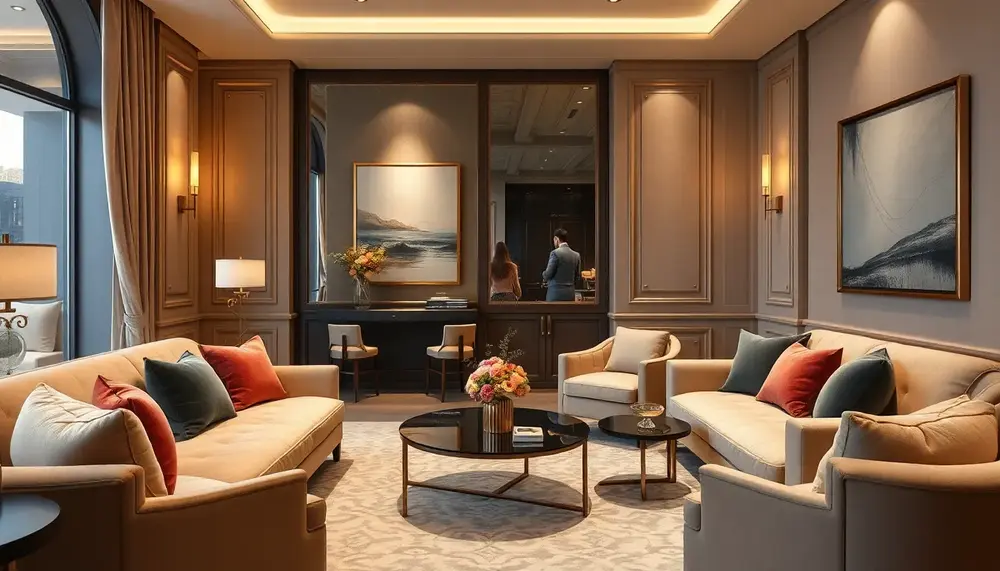
The essence of luxury boutique interior design lies in its ability to create an exclusive, immersive experience that resonates with the brand's identity and its clientele. Unlike traditional retail spaces, luxury boutiques focus on more than just selling products; they aim to offer an emotional journey that captivates the senses. This involves a meticulous balance of aesthetics, functionality, and personalization, making every visit memorable.
One of the key components is the atmosphere. The choice of materials, colors, and textures plays a significant role in conveying a sense of luxury. High-quality finishes, such as polished marble, rich woods, and soft textiles, create an inviting environment that encourages customers to linger. Lighting is another crucial element; it should highlight products while also setting a warm, welcoming tone. For instance, ambient lighting combined with strategic spotlights can draw attention to specific items while maintaining an overall elegant ambiance.
Moreover, luxury boutique design often incorporates personalization. This can range from customized shopping experiences to unique design elements that reflect the brand’s story. For example, bespoke furnishings or artwork can create a distinct character for the space, making it feel exclusive and tailored to the clientele's tastes.
Another aspect is the layout. A well-thought-out floor plan not only enhances customer flow but also facilitates an engaging shopping experience. Open spaces encourage exploration, while intimate nooks can provide areas for personal consultations or private fittings. This thoughtful arrangement fosters a sense of intimacy and exclusivity, which is paramount in luxury retail.
Finally, integrating technology can elevate the customer experience further. Features like virtual fitting rooms or interactive displays can provide a modern touch that aligns with luxury branding, enhancing the overall shopping journey while remaining discreet and unobtrusive.
In conclusion, the essence of luxury boutique interior design is a harmonious blend of aesthetics, atmosphere, personalization, and innovative technology. By focusing on these elements, designers can create spaces that not only showcase products but also embody the brand's ethos, making every visit an extraordinary experience.
Key Elements of Luxury Boutique Spaces
Luxury boutique spaces are defined by several key elements that together create an unparalleled shopping experience. Each aspect of the design contributes to a cohesive atmosphere that reflects the brand's identity and engages customers on multiple levels.
- Spatial Layout: A well-planned layout enhances the customer journey. Open spaces encourage exploration, while distinct areas can be designated for different product categories or experiences, ensuring that customers feel both comfortable and engaged.
- High-Quality Materials: The use of premium materials such as marble, brass, and fine woods is essential. These materials not only enhance the aesthetic appeal but also communicate a sense of luxury and exclusivity.
- Signature Elements: Unique architectural features, such as custom display fixtures or artistic installations, serve as focal points that draw attention and create memorable visuals. For instance, bespoke shelving can add character and charm, setting the boutique apart from competitors.
- Lighting Design: Thoughtfully designed lighting is critical in luxury boutiques. It should not only illuminate products effectively but also enhance the overall mood of the space. A mix of ambient, task, and accent lighting can create dramatic effects and highlight key merchandise.
- Personalized Experiences: Incorporating personalized services, such as bespoke fitting rooms or exclusive shopping appointments, adds a layer of luxury. Staff training is also crucial to ensure that employees provide attentive and tailored service to every customer.
- Artistic Ambiance: The integration of art—whether through paintings, sculptures, or curated installations—can significantly elevate the boutique's atmosphere. It creates a cultural connection and makes the shopping experience feel more like a visit to a gallery than a store.
- Sustainability: Many luxury brands are increasingly focusing on sustainable practices. This includes using eco-friendly materials and incorporating energy-efficient technologies, appealing to the environmentally conscious consumer while maintaining a luxurious image.
By focusing on these key elements, luxury boutiques can craft an environment that not only showcases their products but also tells a story, engages the senses, and fosters a deep connection with customers.
Inspiration from Notable Boutique Projects
Exploring notable boutique projects provides valuable insights into the innovative approaches taken by designers in luxury retail. These projects not only showcase cutting-edge design but also reflect the unique branding and cultural narratives of the respective boutiques. Here are some exemplary projects that stand out in the realm of luxury boutique interior design:
- DIOR Showroom, London - Designed by Mohammad Hossein Rabbani Zade and Morteza Vazirpour, this showroom exemplifies sophistication with its elegant use of space and luxurious materials. The design seamlessly integrates the essence of the DIOR brand, creating a visually stunning environment that enhances the shopping experience.
- DSH Boutique, Astana - The work of Anastasiia Simakova, this boutique features a modern aesthetic with an emphasis on minimalist design. The clever use of natural light and open spaces allows for a fluid shopping experience, while the curated displays highlight the boutique's exclusive offerings.
- House of Fashion Boutique - Created by Ahmed Ismael, this boutique marries contemporary design with traditional elements, creating a unique shopping atmosphere. The incorporation of local craftsmanship alongside modern fixtures offers an engaging narrative that resonates with customers.
- Madame, Norwich, UK - This fashion store showcases a chic and inviting design, utilizing soft colors and elegant fixtures. The layout encourages exploration and interaction, making it an enjoyable destination for customers.
- Malbon Golf Boutique, Los Angeles - Designed by 22RE, the boutique utilizes cherry wood and subtle sports references, creating a unique blend of luxury and athleticism. This innovative approach not only caters to golf enthusiasts but also enhances the overall shopping experience.
- Love by the Moon Boutique, Kyiv - HE.D Group's design incorporates handcrafted details and painted fabrics, emphasizing personalization and artistry. This boutique stands out with its bespoke wooden craftsmanship, creating a warm and inviting atmosphere for customers.
- HommeGirls Boutique, New York - Rafael de Cárdenas has created a unique presentation style by showcasing clothing on a dry-cleaning rack with rotating garments. This inventive approach adds an element of surprise and curiosity, enhancing the shopping experience.
- New Balance Flagship Store, London - Designed by Universal Design Studio and Map Project Office, this store features a contemporary redesign using ten shades of gray. The store's layout and design reflect the brand's diversity and commitment to innovation.
- Azza Fahmy Boutique, London - This boutique combines Egyptian heritage with traditional Arabic craftsmanship, designed by Universal Design Studio. It serves as a testament to cultural storytelling through interior design, captivating customers with its rich narrative.
- Between the Walls Boutique, Kyiv - This design features padded surfaces and aluminum panels, creating a modern yet comfortable environment. The circular ball pit adds a playful touch, enhancing customer interaction.
- Odami Women's Store, Toronto - With a focus on micro-cement, leather, and marble, this boutique designed by Odami creates a choreographed spatial experience. The design emphasizes luxury and comfort, inviting customers to explore.
These projects not only highlight the creativity and innovation in luxury boutique interior design but also serve as inspiration for future developments in the sector. Each boutique tells its own story through design, making them essential destinations for fashion enthusiasts.
Modern Aesthetics in Boutique Design
Modern aesthetics in boutique design play a crucial role in defining the luxury retail experience. This contemporary approach emphasizes clean lines, open spaces, and an overall minimalist ethos that allows products to take center stage. Here are some key aspects that characterize modern aesthetics in luxury boutique interiors:
- Neutral Color Palettes: Modern boutiques often utilize a palette of neutral colors, such as whites, grays, and soft earth tones. These colors create a calming backdrop that enhances the perception of luxury and allows the products to stand out.
- Open Floor Plans: The layout of modern boutiques favors open spaces that encourage fluid movement and exploration. This design approach not only enhances the shopping experience but also fosters a sense of community among customers.
- Textural Contrast: Incorporating a variety of textures—such as smooth metals, soft fabrics, and natural woods—adds depth to the space. This contrast engages the senses and creates a tactile experience that invites customers to interact with the environment.
- Functional Display Units: Modern boutique design often features bespoke display units that are both functional and aesthetically pleasing. These units highlight products effectively while maintaining the boutique's overall design ethos.
- Sustainable Design Choices: Many contemporary boutiques prioritize sustainability by using eco-friendly materials and energy-efficient technologies. This commitment not only appeals to environmentally conscious consumers but also aligns with the values of many luxury brands.
- Art Integration: The inclusion of art installations or curated pieces within the boutique can enhance the overall aesthetic. This approach not only beautifies the space but also reinforces the brand's identity and cultural narrative.
- Innovative Lighting Solutions: Modern boutiques often employ creative lighting techniques that enhance the shopping experience. This may include adjustable lighting that can be tailored to showcase specific products or create different moods throughout the day.
- Seamless Technology Integration: The integration of technology into the design, such as interactive displays or digital fitting rooms, reflects modern consumer expectations and enhances the shopping experience without compromising aesthetics.
In essence, modern aesthetics in boutique design focus on creating a sophisticated yet inviting environment that enhances the luxury shopping experience. By combining clean lines, thoughtful layouts, and innovative features, these boutiques redefine the way customers engage with luxury brands.
Crafting Unique Customer Experiences
Crafting unique customer experiences is at the heart of luxury boutique design. It goes beyond simply offering high-end products; it's about creating an emotional connection that resonates with shoppers. Here are several strategies that luxury boutiques can employ to enhance customer experiences:
- Personalized Service: Training staff to provide tailored assistance ensures customers feel valued. This can include remembering past purchases, preferences, and offering personalized recommendations based on individual styles and needs.
- Interactive Elements: Incorporating interactive features, such as virtual fitting rooms or augmented reality experiences, allows customers to engage with products in innovative ways. This technology not only enhances the shopping experience but also adds an element of fun and novelty.
- Exclusive Events: Hosting private events, such as VIP shopping nights or trunk shows, can create a sense of exclusivity. These events encourage customer loyalty and provide a platform for showcasing new collections in an intimate setting.
- Storytelling through Design: Each boutique should tell a story through its design elements, showcasing the brand’s heritage or inspiration. This can be achieved through carefully curated displays, art installations, and even scent branding, which creates a multi-sensory experience.
- Comfortable Spaces: Designing areas within the boutique for relaxation, such as lounges or refreshment stations, allows customers to unwind during their shopping experience. This not only enhances comfort but also encourages longer visits.
- Feedback Mechanisms: Implementing systems for gathering customer feedback can help boutiques continuously improve their service. This can include surveys, suggestion boxes, or direct conversations with staff, demonstrating that customer opinions are valued.
- Seamless Omnichannel Experience: Providing a unified shopping experience across online and offline platforms is essential. Ensuring that customers can easily transition between browsing online and visiting the physical store enhances convenience and satisfaction.
- Collaboration with Local Artists: Partnering with local artists or designers to create limited-edition pieces or installations can attract customers and generate buzz. This not only supports the local community but also adds a unique touch to the boutique's offerings.
By focusing on these strategies, luxury boutiques can craft unforgettable experiences that foster customer loyalty and differentiate themselves in a competitive market. It’s about creating a space where customers feel special, engaged, and connected to the brand.
The Role of Personalization in Luxury Retail
The role of personalization in luxury retail is pivotal, as it transforms the shopping experience from a mere transaction into a meaningful interaction. Personalization allows boutiques to cater to the unique preferences and needs of individual customers, enhancing their overall satisfaction and loyalty. Here are some essential aspects of how personalization is integrated into luxury retail:
- Customized Offerings: Luxury boutiques often provide bespoke products tailored to individual customer specifications. This can include made-to-measure clothing, personalized accessories, or exclusive items that resonate with the customer’s personal style.
- Data-Driven Insights: Utilizing customer data and preferences helps boutiques to anticipate needs and recommend products. By analyzing past purchases and browsing behaviors, retailers can offer personalized suggestions, enhancing the shopping experience.
- Unique Shopping Experiences: Creating memorable experiences tailored to individual customers can include private shopping sessions, personalized stylist consultations, or exclusive invitations to brand events. These experiences foster a deeper connection with the brand.
- Engagement through Communication: Luxury boutiques often maintain communication with customers through personalized emails, loyalty programs, and tailored marketing messages. This ongoing engagement keeps the brand top-of-mind and reinforces customer loyalty.
- In-Store Personalization: The physical layout and service within the boutique can be designed to accommodate personalized experiences. For instance, offering personalized fitting rooms with customized lighting and music can significantly enhance comfort and enjoyment during the shopping process.
- Feedback and Adaptation: Actively seeking feedback from customers about their shopping experiences allows boutiques to adapt and refine their offerings. This responsiveness to customer input demonstrates a commitment to personalization and enhances satisfaction.
- Brand Storytelling: Personalization in luxury retail often involves telling a story that resonates with the customer. By connecting products to personal narratives, brands can create a more emotional purchase experience, making items feel more significant and special.
In summary, personalization in luxury retail is not just about customizing products; it’s about creating a holistic experience that makes each customer feel valued and understood. By embracing personalization, luxury boutiques can significantly enhance customer loyalty and satisfaction, ultimately driving sales and brand advocacy.
Innovative Materials and Techniques in Boutique Interiors
Innovative materials and techniques are essential in shaping the interiors of luxury boutiques, as they not only enhance the aesthetic appeal but also improve functionality and sustainability. Designers are increasingly exploring new materials and methods to create unique environments that resonate with customers. Here are some noteworthy innovations in boutique interiors:
- Recycled and Eco-Friendly Materials: The use of sustainable materials, such as reclaimed wood, recycled metals, and eco-friendly textiles, is becoming more prevalent. These materials not only reduce environmental impact but also add a story to the design, appealing to conscious consumers.
- Smart Textiles: Incorporating smart textiles into boutique designs can enhance functionality. For example, fabrics that change color or texture in response to temperature or light can create dynamic displays that captivate customers and highlight the merchandise.
- 3D Printing: This technology allows for the creation of custom fixtures and displays that perfectly fit the boutique's design ethos. Unique shapes and intricate designs can be produced quickly and affordably, enabling designers to push creative boundaries.
- Biophilic Design Elements: Integrating natural elements such as living walls, indoor gardens, or natural light through skylights promotes a connection with nature. This approach not only enhances the aesthetic but also improves customer well-being and satisfaction.
- Modular Furniture: Flexible, modular furniture solutions allow for adaptable layouts that can change according to the boutique's needs. This versatility is particularly beneficial for seasonal displays or special events, enabling boutiques to create fresh experiences for returning customers.
- Advanced Lighting Techniques: Innovative lighting solutions, such as LED technology and smart lighting systems, can dramatically alter the atmosphere of a boutique. Adjustable lighting can highlight products effectively while creating various moods throughout the day.
- Acoustic Design: Attention to sound design, including the use of sound-absorbing materials, can enhance the shopping experience. Creating a serene auditory environment contributes to customer comfort and encourages longer visits.
- Digital Integration: Incorporating digital displays and interactive screens into the design allows for a seamless blend of technology and physical retail. This can include virtual fitting rooms or touchscreen catalogs that enhance the customer journey.
By embracing these innovative materials and techniques, luxury boutiques can create distinctive interiors that not only reflect their brand identity but also enhance the overall shopping experience. This forward-thinking approach positions them as leaders in a competitive retail landscape, catering to the evolving preferences of discerning customers.
Creating a Harmonious Atmosphere
Creating a harmonious atmosphere within luxury boutiques is essential for enhancing the overall shopping experience. A well-balanced environment not only reflects the brand's identity but also fosters a sense of tranquility and comfort for customers. Here are several key strategies to achieve this:
- Color Harmony: Choosing a cohesive color palette is vital. Soft, muted tones can create a calming effect, while strategically placed accent colors can add vibrancy and highlight specific areas, guiding customers through the space.
- Consistent Design Language: Maintaining a unified design language across all elements—furniture, fixtures, and decor—ensures that the boutique feels cohesive. This consistency reinforces the brand’s message and creates a seamless experience for shoppers.
- Comfortable Furnishings: Incorporating comfortable seating areas can enhance the customer experience. Providing plush chairs or lounges invites customers to relax, encouraging them to spend more time in the boutique and engage with the products.
- Natural Elements: Integrating natural elements such as plants or water features can improve air quality and create a serene environment. Biophilic design promotes well-being and connects customers to nature, making their shopping experience more enjoyable.
- Sound Design: Carefully curated background music can significantly impact the atmosphere. Soft, ambient sounds help create a welcoming environment, while ensuring the volume is at a level that allows for easy conversation without being intrusive.
- Spatial Flow: Designing a logical flow within the boutique helps guide customers effortlessly through different sections. Clear pathways and strategically placed displays can enhance navigation, making the shopping experience intuitive and enjoyable.
- Lighting Effects: Utilizing various lighting techniques can transform the ambiance of the boutique. Soft, warm lighting creates a cozy atmosphere, while spotlighting can emphasize key products. Adjustable lighting also allows for different moods throughout the day.
- Personal Touches: Adding unique decorative elements or artwork that reflect the brand's story can make the space feel more personal. These touches create a narrative that resonates with customers, enhancing their emotional connection to the boutique.
By focusing on these strategies, luxury boutiques can create a harmonious atmosphere that captivates customers, making their shopping experience not just enjoyable but memorable. A well-crafted environment encourages exploration and fosters loyalty, ultimately contributing to the boutique's success.
Minimalism and Its Impact on Boutique Design
Minimalism in boutique design has emerged as a powerful trend, fundamentally altering how luxury retail spaces are perceived and experienced. The philosophy of "less is more" not only simplifies the aesthetic but also enhances the overall shopping experience by allowing products to shine without unnecessary distractions. Here are some key impacts of minimalism on boutique design:
- Enhanced Focus on Products: With fewer visual elements competing for attention, customers can concentrate on the products themselves. This clear focus allows for a deeper appreciation of the craftsmanship and quality of items, aligning perfectly with luxury branding.
- Increased Spatial Perception: Minimalist design creates an illusion of more space, making boutiques feel larger and more open. This spatial clarity can lead to a more enjoyable shopping experience, as customers are not overwhelmed by clutter.
- Streamlined Customer Journey: A minimalist approach often results in a more intuitive layout. Clear pathways and organized displays facilitate navigation, allowing customers to move freely and discover products effortlessly.
- Timeless Appeal: Minimalist designs tend to age well, resisting trends that may quickly become outdated. This timeless quality ensures that boutiques remain relevant and appealing over the years, reducing the need for frequent redesigns.
- Emphasis on Quality over Quantity: Minimalism encourages the curation of fewer, high-quality items rather than a vast array of products. This selective approach enhances the perceived value of each piece, reinforcing the boutique’s luxury status.
- Calming Environment: A minimalist aesthetic promotes a sense of tranquility, making the shopping experience more enjoyable. Soft colors, clean lines, and uncluttered spaces contribute to an inviting atmosphere that encourages relaxation and exploration.
- Integration of Technology: Minimalism often goes hand-in-hand with modern technology. Sleek, unobtrusive tech solutions, such as digital displays and interactive elements, can be seamlessly integrated into the environment, enhancing the customer experience without disrupting the design.
- Environmentally Conscious Choices: Many minimalist designs prioritize sustainable materials and practices. This commitment not only aligns with the values of modern consumers but also showcases a brand's dedication to environmental responsibility.
In conclusion, minimalism profoundly impacts boutique design by promoting clarity, enhancing product focus, and creating a serene shopping atmosphere. By embracing minimalist principles, luxury boutiques can foster a sophisticated environment that resonates with discerning customers, ultimately driving loyalty and sales.
Integrating Technology for Enhanced Shopping Experiences
Integrating technology into luxury boutique interiors significantly enhances the shopping experience, transforming how customers interact with the brand and its products. By leveraging innovative technological solutions, boutiques can create more personalized, engaging, and efficient environments. Here are several ways technology is being integrated into luxury retail spaces:
- Augmented Reality (AR) and Virtual Reality (VR): AR and VR technologies allow customers to visualize products in a more immersive way. For example, virtual fitting rooms enable shoppers to try on clothing without physically wearing them, providing a unique and interactive experience.
- Interactive Displays: Touchscreen displays can offer customers information about products, including details about materials, care instructions, and styling tips. This interactive element engages shoppers and can lead to informed purchasing decisions.
- Mobile Apps: Many luxury boutiques develop mobile applications that enhance the shopping experience. These apps can offer features such as product availability, personalized recommendations, and loyalty rewards, making the shopping process more convenient.
- Smart Mirrors: Smart mirrors in fitting rooms can display alternative sizes or colors of garments and allow customers to request assistance from staff without leaving the space. This technology streamlines the shopping experience and adds a high-tech touch.
- RFID Technology: Radio Frequency Identification (RFID) tags can be used to track inventory and improve checkout efficiency. This technology allows for quicker transactions and helps staff manage stock levels more effectively.
- Digital Payment Solutions: Offering various digital payment options, including mobile wallets and contactless payments, enhances convenience for customers. These solutions can speed up the checkout process and cater to tech-savvy consumers.
- Social Media Integration: Incorporating social media feeds into the boutique's displays can create a dynamic environment that showcases customer engagement and brand personality. This integration can encourage customers to share their experiences in real-time.
- Data Analytics: Utilizing data analytics tools helps boutiques understand customer preferences and behaviors. This information can inform inventory decisions, marketing strategies, and personalized customer interactions, ultimately enhancing the shopping experience.
By integrating these technologies, luxury boutiques can create an innovative and interactive shopping environment that meets the evolving expectations of today’s consumers. This forward-thinking approach not only enhances customer satisfaction but also positions the brand as a leader in the competitive retail landscape.
Cultural Influences in Boutique Design
Cultural influences play a significant role in shaping luxury boutique design, as they reflect the heritage, values, and aesthetics of different regions and communities. By integrating cultural elements into their interiors, boutiques can create unique environments that resonate deeply with their target audience. Here are several ways cultural influences manifest in boutique design:
- Local Art and Craftsmanship: Incorporating local artwork and handcrafted elements can enhance the boutique's connection to its community. This not only supports local artisans but also creates a distinctive atmosphere that celebrates cultural heritage.
- Traditional Patterns and Textiles: Many boutiques draw inspiration from traditional textiles and patterns, incorporating them into interior design elements such as upholstery, wall coverings, or display fixtures. This adds character and a sense of place to the boutique.
- Architectural Styles: Regional architectural influences can be reflected in the design of the boutique itself. Elements such as arches, columns, or specific materials can evoke the local culture and history, making the space feel more authentic.
- Color Symbolism: Different cultures associate specific colors with meanings and emotions. By using culturally significant colors, boutiques can evoke specific feelings or themes that resonate with customers, enhancing their emotional connection to the space.
- Storytelling Through Design: Many luxury boutiques incorporate narratives that reflect their cultural influences. This can be achieved through curated displays that tell a story about the brand's origins or the cultural significance of the products offered, fostering a deeper connection with customers.
- Community Events and Collaborations: Hosting events that celebrate local culture or collaborating with cultural institutions can create a sense of community and engagement. These initiatives attract customers while reinforcing the boutique's commitment to its cultural roots.
- Global Inspirations: In addition to local influences, many boutiques blend global design elements to create a cosmopolitan atmosphere. This fusion of styles can appeal to a diverse clientele, showcasing the brand's international appeal and sophistication.
By thoughtfully integrating cultural influences into their designs, luxury boutiques can create spaces that are not only visually stunning but also rich in meaning and connection. This approach enhances the overall shopping experience, making customers feel like they are part of something special and significant.
Sustainable Practices in Luxury Boutique Interiors
Sustainable practices in luxury boutique interiors are becoming increasingly important as both consumers and brands recognize the need for environmentally responsible design. By integrating sustainable elements into their interiors, boutiques can not only reduce their ecological footprint but also enhance their brand image and appeal to eco-conscious customers. Here are several key strategies for incorporating sustainability into luxury boutique design:
- Use of Recycled Materials: Opting for recycled materials in construction and furnishings helps minimize waste and reduces the demand for new resources. This can include reclaimed wood for flooring or furniture, recycled metal fixtures, and sustainable textiles.
- Energy-Efficient Lighting: Implementing energy-efficient lighting solutions, such as LED fixtures, can significantly reduce energy consumption. Natural lighting should also be maximized through large windows or skylights, enhancing the ambiance while decreasing reliance on artificial light.
- Water Conservation: Integrating water-saving fixtures and systems, such as low-flow sinks and toilets or rainwater harvesting systems, can contribute to overall sustainability efforts within the boutique. This not only conserves resources but can also reduce operational costs.
- Sustainable Furnishings: Selecting furniture made from sustainably sourced or certified materials can enhance the boutique's eco-friendly image. Additionally, investing in high-quality, durable pieces ensures longevity and reduces the need for frequent replacements.
- Biophilic Design: Incorporating plants and natural elements into the interior design fosters a connection to nature, which can improve air quality and enhance customer well-being. Living walls or indoor gardens are effective ways to integrate greenery into the boutique environment.
- Eco-Friendly Paints and Finishes: Using low-VOC (volatile organic compounds) paints and finishes minimizes harmful emissions and contributes to a healthier indoor environment. This choice reflects a commitment to sustainability and enhances customer perception of the brand.
- Waste Reduction Strategies: Implementing strategies to reduce waste during construction and operation is crucial. This can include recycling programs, composting organic waste, and minimizing packaging materials for products.
- Community Engagement: Partnering with local artisans and suppliers not only supports the local economy but also reduces transportation emissions associated with sourcing materials from distant locations. This approach can enhance the boutique's authenticity and connection to the community.
By embracing sustainable practices in their interiors, luxury boutiques can create a positive impact on the environment while appealing to a growing demographic of environmentally conscious consumers. These efforts not only promote a healthier planet but also elevate the boutique's brand image and customer loyalty.
Future Trends in Luxury Boutique Design
As we look to the future, several trends are emerging in luxury boutique design that reflect evolving consumer preferences and technological advancements. These trends not only enhance the shopping experience but also position boutiques as leaders in sustainable and innovative retail practices. Here are some key future trends in luxury boutique design:
- Hyper-Personalization: Advances in data analytics and customer insights will allow boutiques to offer highly personalized experiences. This includes tailored recommendations, customized product offerings, and unique in-store experiences that cater to individual preferences.
- Integration of Artificial Intelligence: AI technologies will play a significant role in enhancing customer interactions. From virtual stylists that assist customers in choosing outfits to chatbots providing instant support, AI will streamline the shopping experience and make it more engaging.
- Experiential Retail: The focus will shift towards creating memorable experiences within the boutique. This could involve hosting events, workshops, or interactive displays that allow customers to engage with the brand beyond traditional shopping.
- Omni-Channel Retailing: The seamless integration of online and offline experiences will become increasingly important. Boutiques will enhance their digital presence to complement the in-store experience, allowing customers to transition smoothly between platforms.
- Sustainable Innovations: As sustainability becomes a priority, luxury boutiques will adopt more innovative practices, such as using biodegradable materials, implementing circular economy principles, and investing in energy-efficient technologies.
- Smart Store Technologies: The implementation of smart technologies, such as IoT devices for inventory management and customer tracking, will enhance operational efficiency and improve customer service, making the shopping experience more enjoyable.
- Local and Cultural Integration: Future boutiques will increasingly reflect local culture and community influences in their design. This will not only create a unique shopping environment but also foster a sense of belonging and connection for customers.
- Health and Wellness Focus: Incorporating wellness elements into boutique design, such as air purification systems and calming design aesthetics, will cater to the growing consumer emphasis on health and well-being.
These future trends in luxury boutique design indicate a shift towards a more personalized, sustainable, and engaging shopping experience. By embracing these innovations, boutiques can remain relevant and appealing to the modern consumer while enhancing their brand identity and loyalty.
Conclusion: Elevating the Luxury Shopping Experience
In conclusion, elevating the luxury shopping experience requires a multifaceted approach that embraces innovation, personalization, and sustainability. As consumer preferences evolve, luxury boutiques must adapt by integrating advanced technologies and sustainable practices into their designs. This not only meets the expectations of discerning customers but also creates an inviting and memorable shopping environment.
Key to this evolution is the focus on creating unique and personalized experiences. By understanding their customers' needs and preferences, boutiques can offer tailored services and products that resonate on a deeper level. This emotional connection fosters loyalty and enhances the overall perception of the brand.
Moreover, the integration of cultural elements and local artistry into boutique design enriches the shopping experience, allowing customers to feel a sense of belonging and connection to the community. As luxury brands continue to innovate and redefine their spaces, they can create environments that not only showcase products but also tell compelling stories.
Ultimately, the future of luxury boutique design lies in the ability to harmoniously blend aesthetics, functionality, and customer engagement. By focusing on these principles, boutiques can not only elevate their offerings but also set new standards in the luxury retail landscape, ensuring that each visit is a unique and enriching experience for every customer.
FAQ about Luxury Boutique Interior Design
What are the key elements of luxury boutique interior design?
The key elements include high-quality materials, thoughtful spatial layouts, sophisticated lighting design, unique artistic elements, and personalized customer experiences that together create an exclusive atmosphere.
How does lighting impact luxury boutique design?
Lighting plays a crucial role by enhancing the ambiance, highlighting products, and creating mood. A mix of ambient, task, and accent lighting can significantly elevate the shopping experience.
What role does personalization play in luxury retail?
Personalization transforms the shopping experience, enabling boutiques to cater to individual preferences through tailored services, bespoke products, and customized shopping environments, enhancing customer loyalty.
What are some modern aesthetics in luxury boutique interiors?
Modern aesthetics often feature neutral color palettes, open floor plans, textural contrasts, functional display units, and sustainable design choices that create a sophisticated and inviting environment.
How can technology enhance the boutique shopping experience?
Technology enhances experiences through features like virtual fitting rooms, interactive displays, smart mirrors, and digital payment solutions, creating a seamless and engaging environment for shoppers.