Table of Contents:
The Architecture of Luxury: Gates, Villas, and Structural Design Showcases
Luxury architecture has never been purely about square footage or price per square meter. The most compelling design showcases communicate a philosophy — a deliberate tension between permanence and innovation, between material weight and spatial lightness. When developers, architects, and interior designers speak of a "showcase project," they mean something specific: a built example that advances the conversation about what luxury can actually mean in structural terms, not just aesthetic ones.
First Impressions as Design Statements: The Role of Gates and Entrances
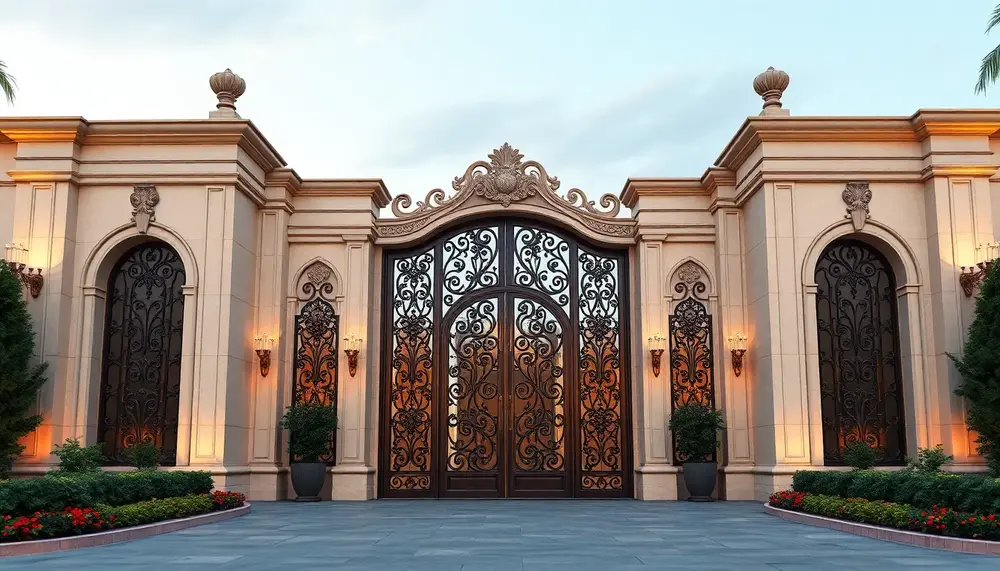
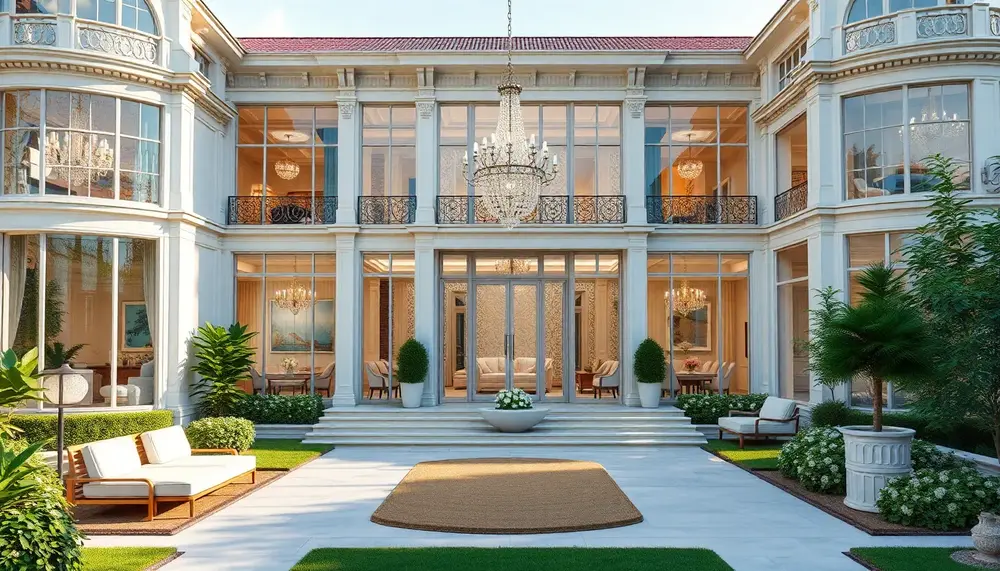
Few architectural elements carry as much concentrated meaning as the entrance sequence. A gate is not simply a security measure — it is the first paragraph of an architectural narrative. Projects that have mastered this understand that the transition from public to private space should be choreographed with the same precision as a museum foyer. The choice of materials alone — whether blackened steel, brushed brass, hand-carved limestone, or CNC-machined aluminum — communicates brand identity before a client ever steps inside. If you want to understand how leading firms are redefining grand entrance design through material contrast and proportion, the details are genuinely instructive for anyone working at this level. Canopy heights, lighting reveals, and the rhythmic spacing of structural members are not afterthoughts — they are the primary design instruments.
Practically speaking, entrance gates in high-end residential projects now routinely incorporate biometric access systems concealed within bespoke joinery, motorized pivot mechanisms rated for panels exceeding 800 kg, and integrated drainage channels that maintain the visual cleanliness of the threshold. The engineering must disappear completely behind the aesthetic.
Villa Architecture as the Ultimate Three-Dimensional Showcase
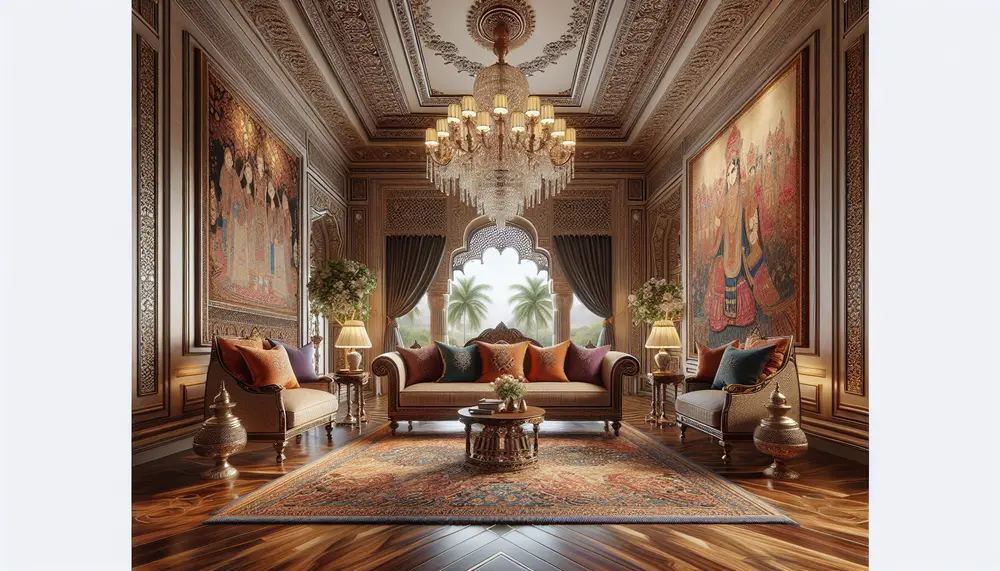
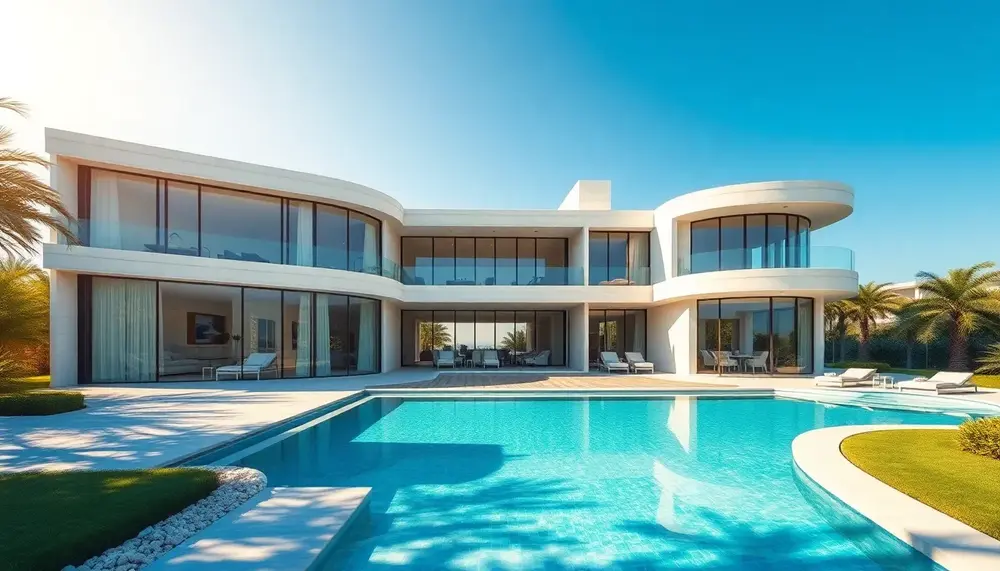
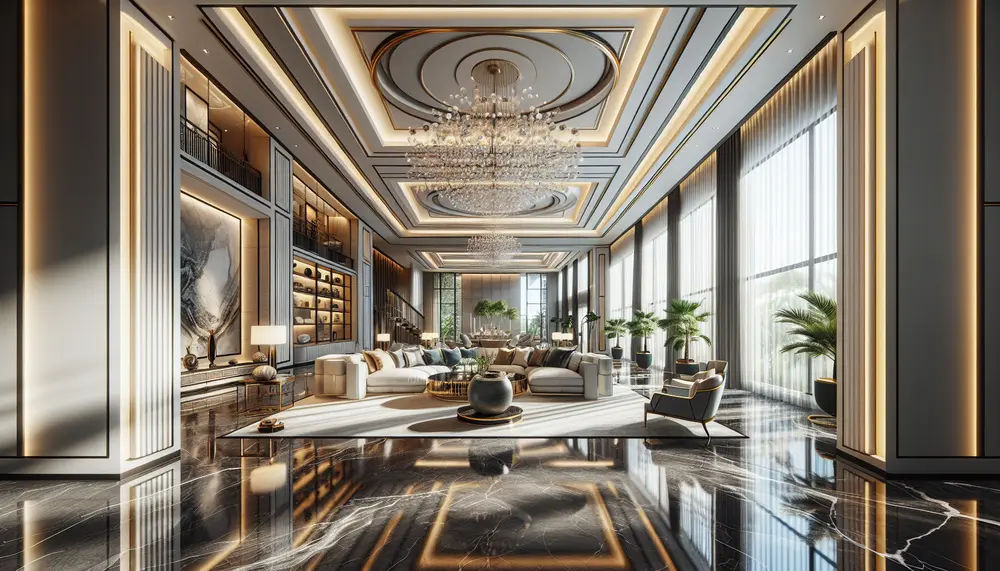
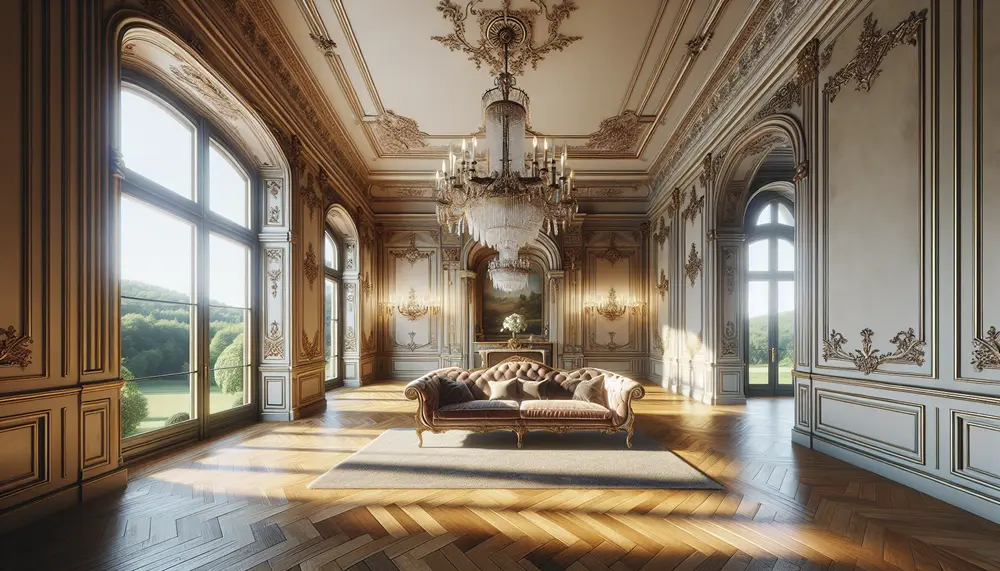
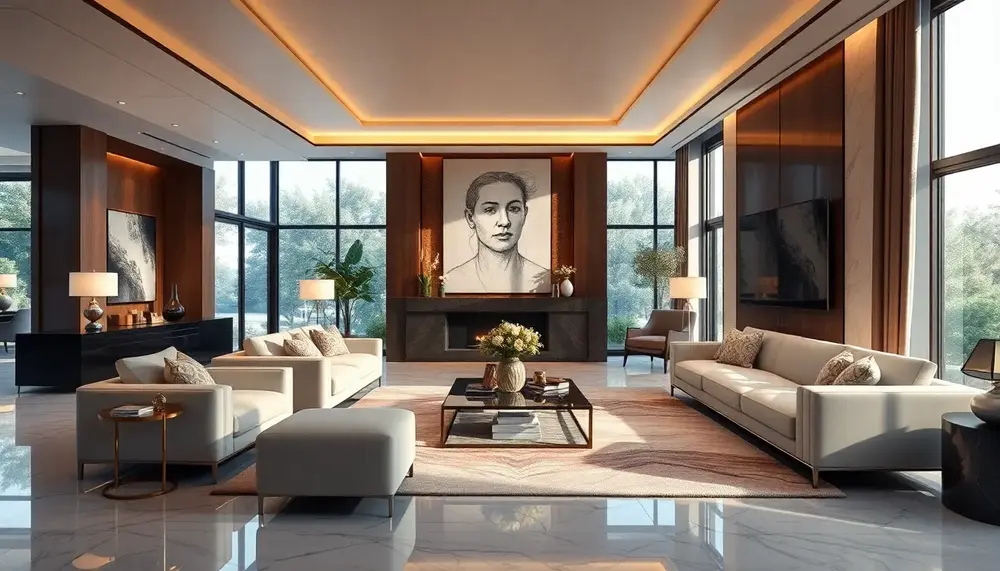
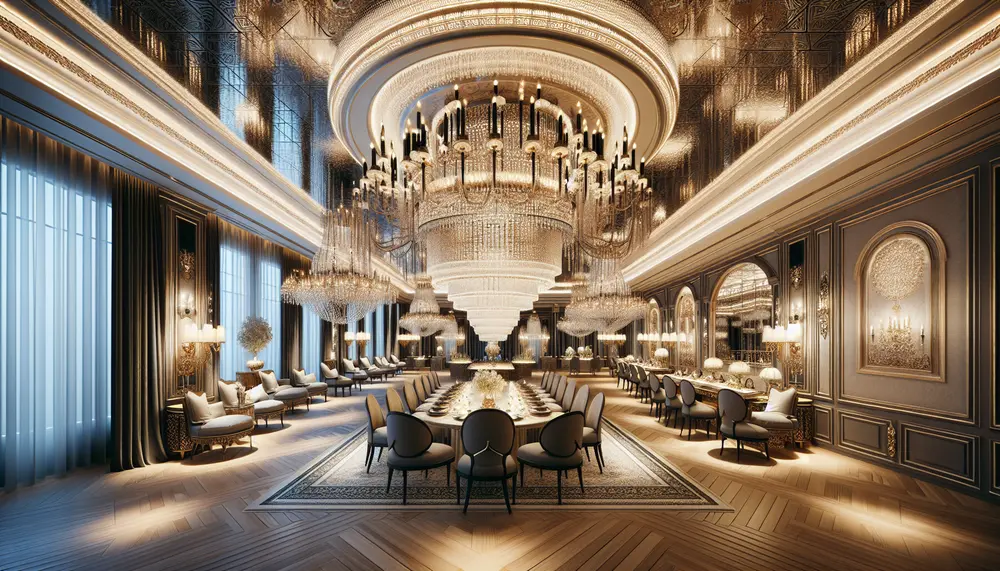
The luxury villa format remains the most demanding canvas in residential architecture because it requires coherence across every scale simultaneously — from the site plan down to the door hardware profile. Markets like Dubai have pushed this format into genuinely experimental territory, with projects delivering floor plates exceeding 2,000 square meters while maintaining the intimacy of a private residence. The work being produced there is worth studying closely: an in-depth look at how ultra-premium villas are designed in Dubai reveals specific decisions around indoor-outdoor transitions, double-height volumes, and climate-responsive facades that are directly applicable to projects in other geographies.
Structural design showcases at this level typically involve post-tensioned concrete slabs spanning 12 to 18 meters without intermediate columns, structural glazing systems using glass panels of 6 meters or more, and cantilever volumes that require steel transfer structures hidden within the building envelope. These are not decorative choices — they are the technical prerequisites for the spatial experiences that define a showcase property.
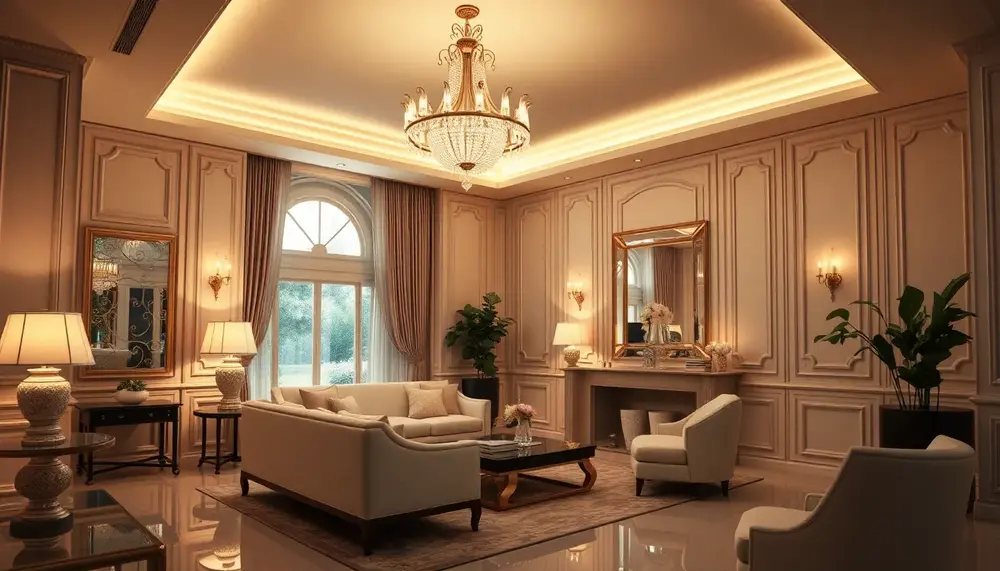
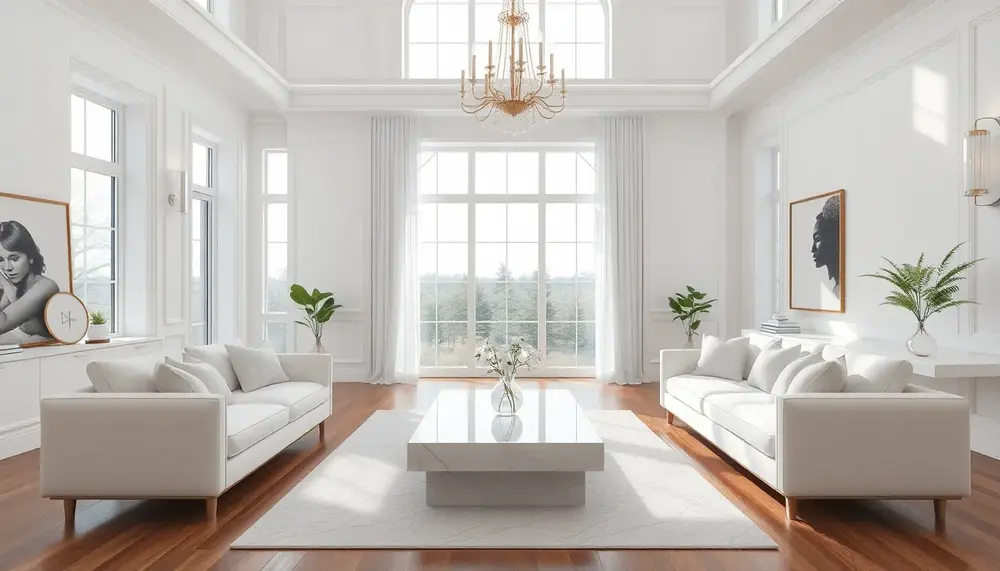
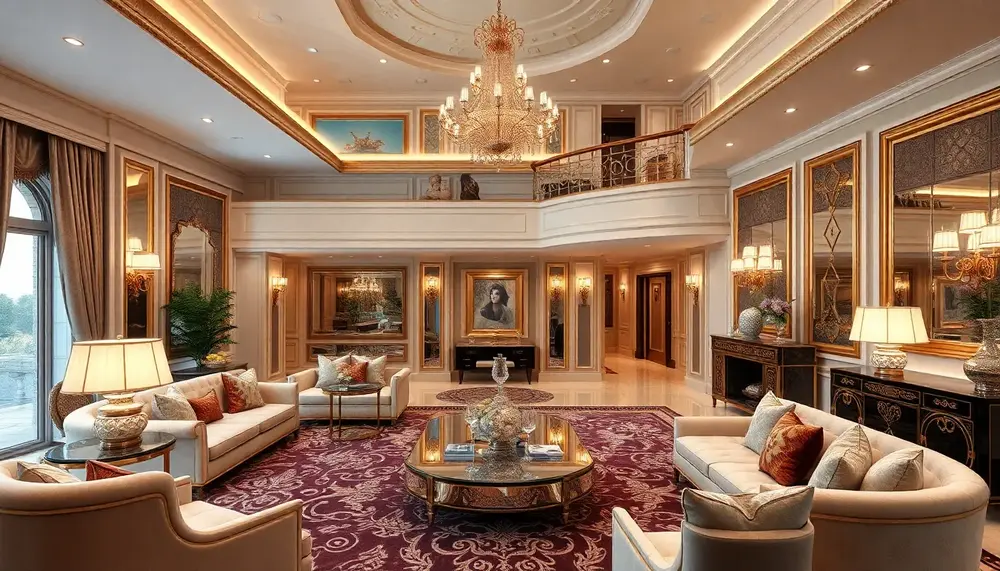
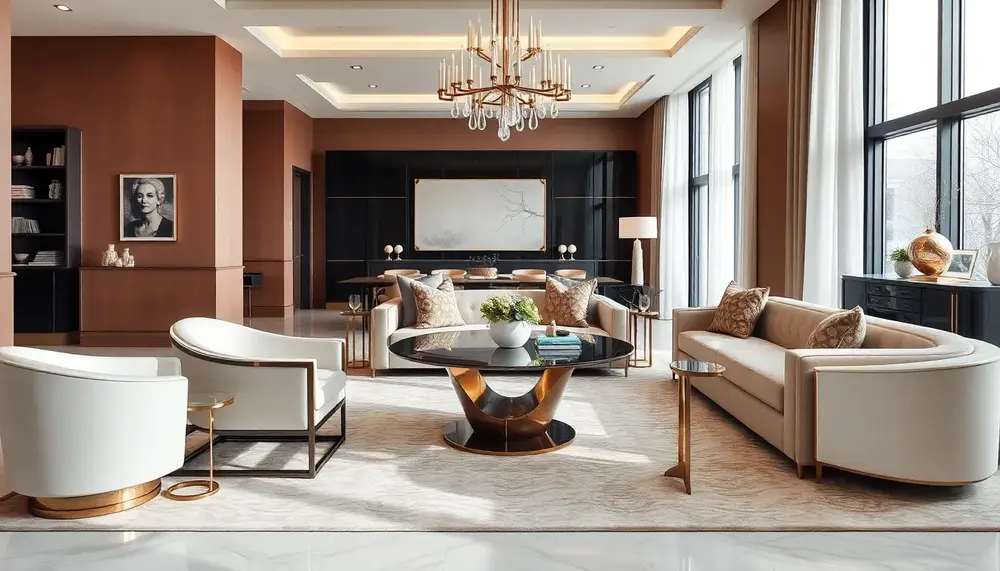
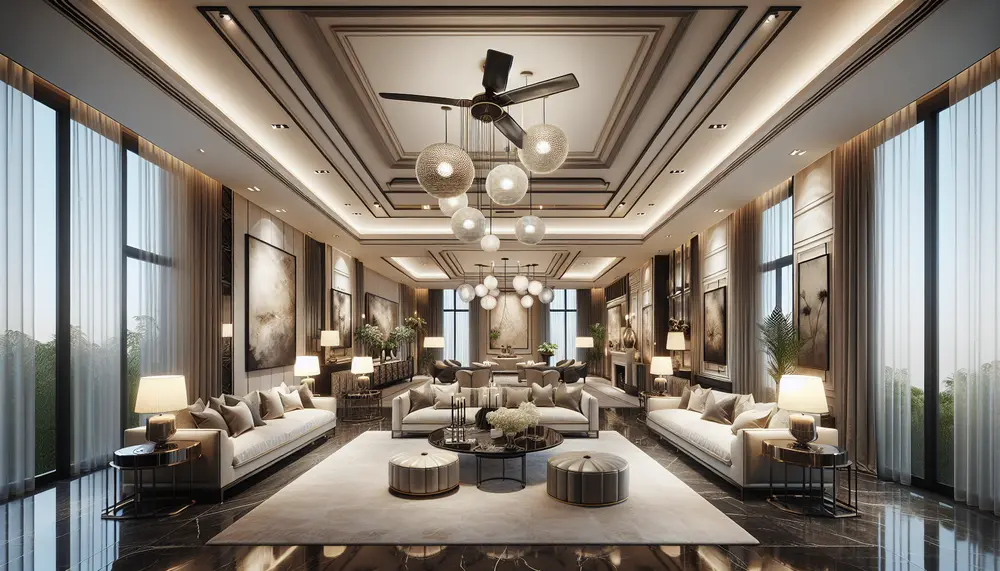
The duplex typology adds another layer of complexity, requiring vertical coherence that single-story plans simply do not demand. When done at the highest level, a well-executed duplex interior uses the staircase as the central spatial event — a sculptural element that organizes the entire floor plan around it. Key structural considerations at this scale include:
- Void sizing: Double-height voids should typically represent 15–25% of the total floor area to read as genuinely generous rather than merely functional
- Acoustic separation: Between levels, mass-loaded vinyl combined with 150mm concrete topping slabs is now considered baseline specification
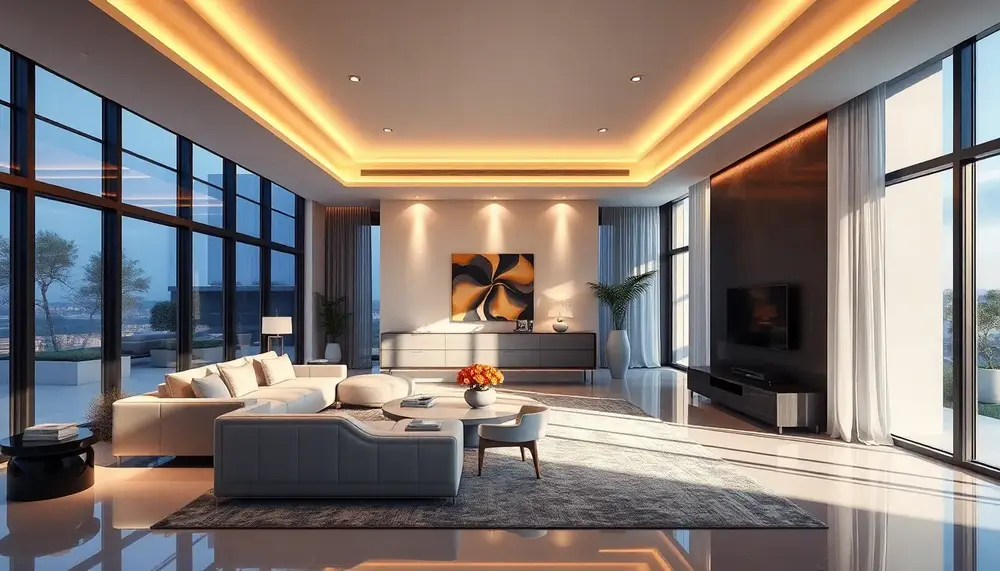
- Lighting integration: Recessed cove systems within structural soffits require coordination during the reinforced concrete phase, not during fit-out
- Circulation efficiency: Stair-to-total-area ratios below 4% indicate efficient planning without sacrificing drama
The architects and developers who produce genuine showcase work treat structural engineering not as a constraint but as a design medium — one with its own aesthetic potential that, when leveraged correctly, creates spaces no amount of surface decoration could achieve independently.
Global Luxury Interior Design Scenes: Regional Aesthetics and Market Leaders
The global luxury interior design market surpassed $170 billion in 2023, yet that headline figure masks something far more interesting: the profound regional divergences in aesthetic philosophy, material preference, and client expectation that define each scene. Understanding these distinctions is not merely academic — for design professionals presenting at showcases or sourcing commissions internationally, misreading regional sensibilities is the fastest way to lose credibility in a room full of discerning buyers.
Established Powerhouses: Europe and North America
European luxury interiors continue to set the reference standard for much of the world, but the continent itself is far from monolithic. French designers maintain dominance in bespoke joinery and textile provenance — Maison Lelièvre and Prelle remain the benchmark for haute fabric specification. Meanwhile, Portugal's ateliers and tile craftsmen have moved decisively upmarket, with Lisbon-based studios now completing projects in London, Dubai, and São Paulo, commanding fees that rival their Paris counterparts. The Italian furniture manufacturers clustered around Brianza still account for roughly 40% of global high-end contract furniture exports, a dominance built on generational craft knowledge that no other region has yet replicated at scale.
Across the Atlantic, the American luxury market operates at a different register entirely. Scale is valued, technology integration is expected from day one, and the client relationship tends toward collaboration rather than deference. The American approach to high-end residential design increasingly blends indoor-outdoor continuity, smart home infrastructure, and wellness programming into a single coherent brief — a combination that European studios are now actively studying. New York, Los Angeles, and Miami each sustain distinct sub-markets with their own collector networks, gallery relationships, and preferred specification systems.
Eastern Europe deserves more attention from international showcase curators than it typically receives. Hungarian designers and craftspeople have built a compelling reputation for handmade upholstery, lacquerwork, and architectural metalwork, often at price points 20–30% below comparable Western European workshops — without sacrificing precision. Budapest has quietly become a sourcing destination for London and Vienna-based practices working on high-specification residential projects.
Emerging Luxury Markets: Asia and the Subcontinent
Asia's luxury interior market is growing at approximately 8% annually, driven by ultra-high-net-worth wealth creation in China, India, and Southeast Asia. The Chinese market prioritizes layered symbolism, material rarity, and brand legibility — a project that photographs beautifully for a Western magazine may entirely miss what the local client actually values. Indian luxury interiors represent a distinct and sophisticated tradition: the country's heritage of palatial design — from Rajput architecture to Mughal inlay work — is actively informing a new generation of studios producing work that commands international recognition. Studios like Viya Home and Inde/Jacobs have demonstrated that Indian craft vocabulary, properly contextualized, resonates strongly with global collectors.
For showcase organizers and design professionals, the practical takeaway is clear:
- Never present a single aesthetic as universally "luxury" — calibrate to regional expectation
- Identify which craft traditions carry genuine provenance versus manufactured heritage
- Map your supplier relationships to the specific markets you intend to serve
- Track emerging hubs — Vietnam, Mexico City, and Tbilisi are producing serious talent below the mainstream radar
The designers and studios that perform best across international showcases are those who have internalized regional fluency rather than simply adapting their portfolio images. Aesthetic intelligence, in this context, is a competitive asset with measurable commercial value.
Top-Tier Design Firms and Designers: How the Best Shape Luxury Spaces
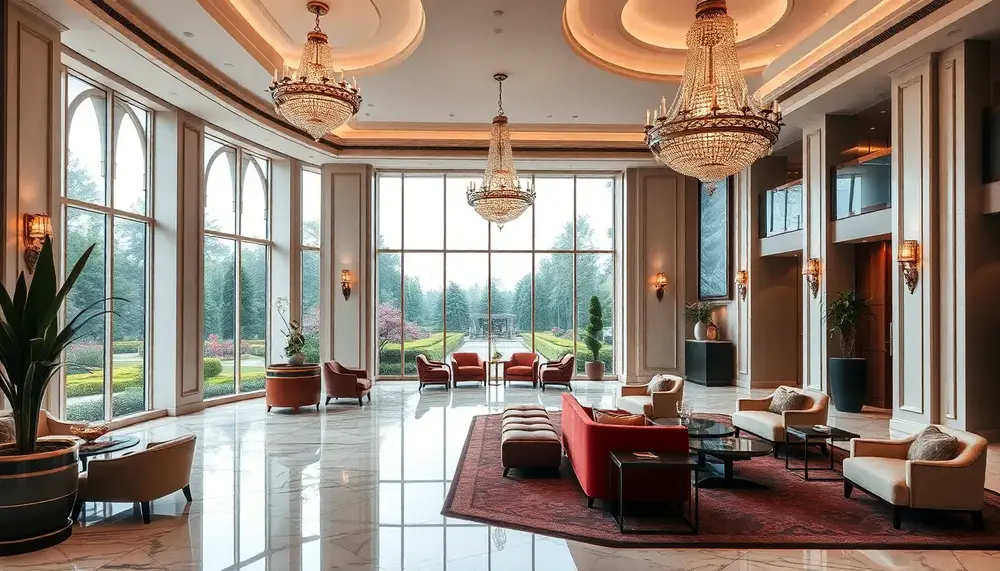
The gap between a competent interior designer and a truly elite firm is measured not in aesthetics alone, but in the capacity to build holistic environments where every decision — from structural reconfiguration to the weight of a door handle — serves a unified narrative. Firms operating at the top tier typically employ multidisciplinary teams of 20 to 150 specialists, including architects, textile curators, lighting engineers, and art advisors. This integrated model is what separates showcase-worthy results from merely expensive renovations.
Understanding which firms consistently deliver at this level requires looking beyond press coverage. The most reliable indicators are repeat commissions from ultra-high-net-worth clients, recognition in publications like Architectural Digest's AD100, and inclusion in the Elle Decor A-List — distinctions earned through documented project outcomes, not marketing budgets. For a rigorous breakdown of who is setting the benchmark globally, the analysis of firms consistently ranked among the world's finest offers a structured framework for evaluating credentials and specializations.
Specialization as a Competitive Edge
The most prestigious design firms have increasingly moved toward deep specialization rather than broad service offerings. Hospitality design, for instance, demands an entirely different knowledge base than residential work — ROI modeling, flow optimization for thousands of daily guests, and compliance with commercial building codes across multiple jurisdictions. Firms like Yabu Pushelberg and Hirsch Bedner Associates have built their reputations almost exclusively within this vertical, and the results speak directly to brand equity for hotel groups like Four Seasons and Rosewood. For developers and hoteliers benchmarking their projects, examining specialists in high-end hospitality environments reveals how sector expertise translates into measurable guest experience outcomes.
Residential luxury, by contrast, demands an intimate understanding of how individuals live — not how demographics statistically behave. The best residential designers maintain project rosters of no more than 8 to 12 active commissions simultaneously, ensuring that each client relationship receives the principal's direct attention rather than being delegated entirely to junior staff.
Geography Still Defines Talent Clusters
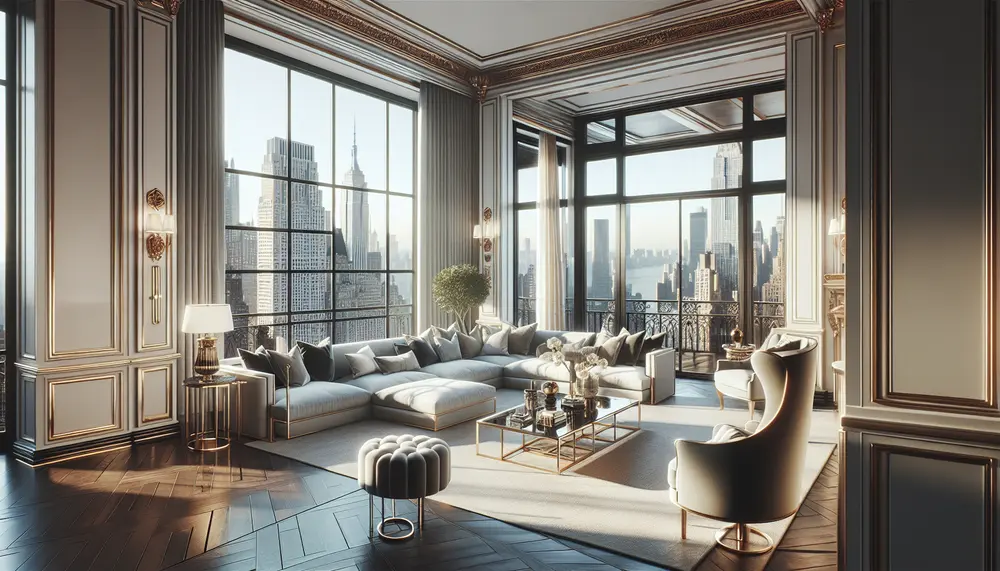
Despite globalization, elite design talent remains geographically concentrated, and understanding these clusters gives clients a decisive advantage when assembling project teams. New York continues to function as the world's most competitive residential design market, with firms here routinely working on projects with budgets exceeding $2,000 per square foot. The depth of the city's residential design talent pool reflects decades of demanding clientele and an unmatched concentration of artisans, fabricators, and antique dealers within a 50-mile radius.
Secondary markets, however, are producing increasingly sophisticated work that challenges coastal assumptions. Dallas, for example, has developed a distinctive luxury residential identity — one that blends European formality with expansive American spatial sensibilities. Clients seeking this specific aesthetic vocabulary benefit from engaging designers deeply rooted in Dallas's luxury residential scene, where local knowledge of materials sourcing, estate-scale properties, and regional craftsmanship creates results that transplanted firms rarely replicate.
- Vetting criterion #1: Request a full project list from the past five years, not just a curated portfolio — look for consistency across different project types and scales.
- Vetting criterion #2: Confirm that the principal designer will hold at least monthly in-person reviews throughout the project lifecycle.
- Vetting criterion #3: Evaluate the firm's vendor and artisan network — proprietary relationships with Parisian ateliers or Italian stone workshops represent genuine competitive advantages, not marketing copy.
Lighting Design as a Creative Discipline: Roles, Techniques, and Impact
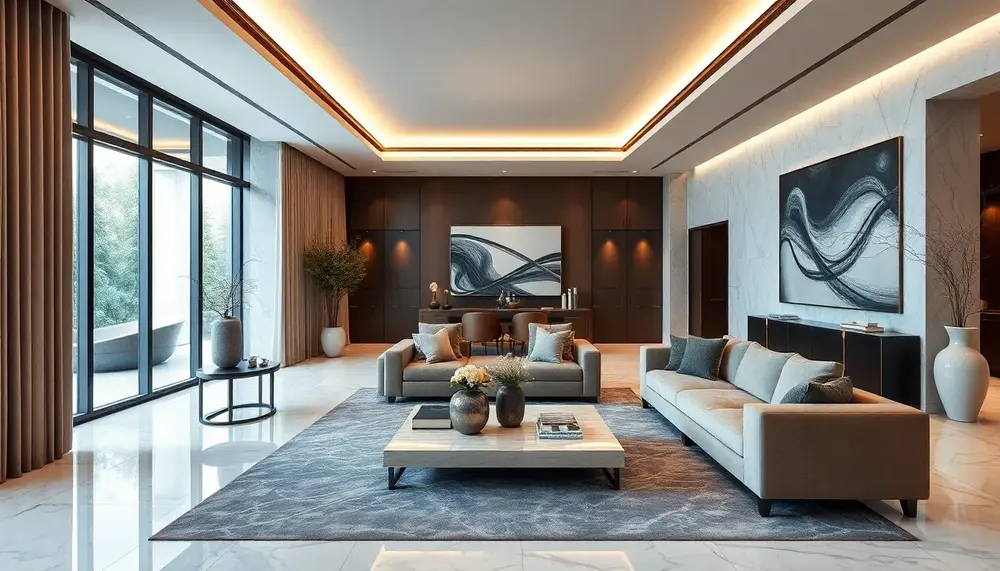
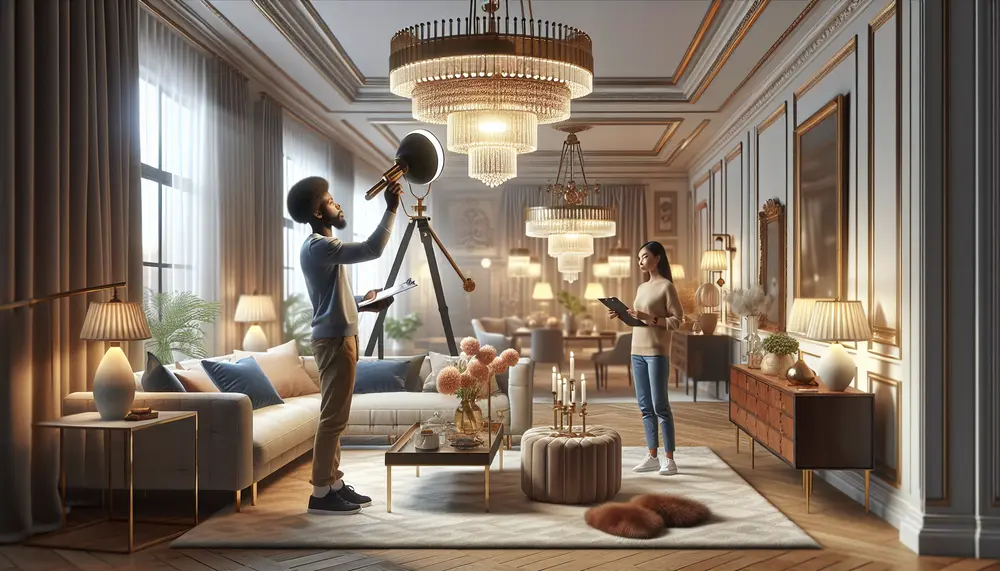
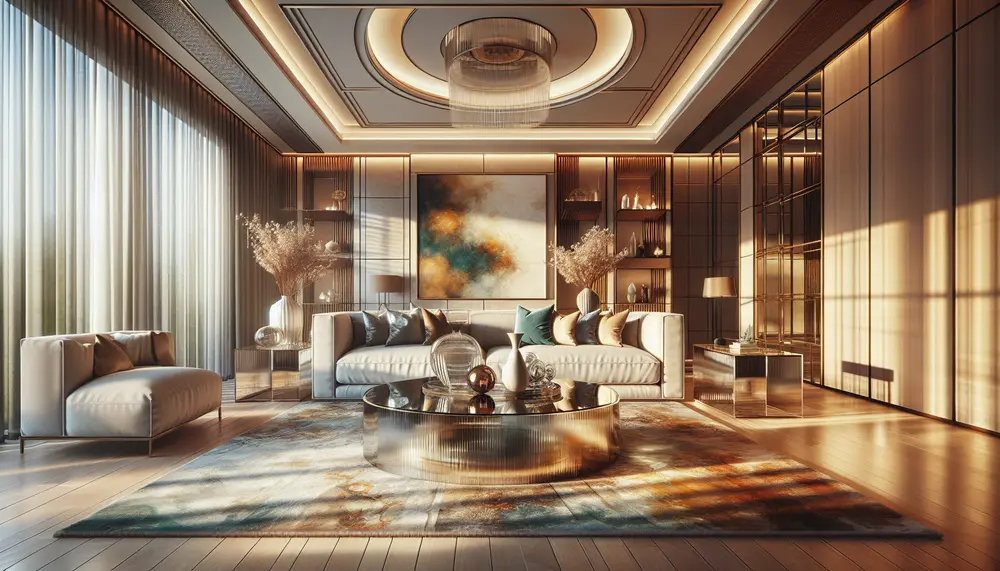
Lighting design occupies a unique position at the intersection of technical precision and artistic vision. Unlike many other design disciplines, it works with an inherently ephemeral medium — light itself — that can transform a space within milliseconds and evoke emotional responses that no static element can replicate. In a design showcase context, lighting is rarely an afterthought; it is frequently the decisive factor that separates a memorable installation from a forgettable one. Understanding the full scope of what lighting designers actually do is essential for any curator, architect, or creative director assembling a high-caliber showcase.
The Scope of the Lighting Designer's Role
The responsibilities that define a lighting designer's practice span far beyond simply placing fixtures and adjusting dimmer levels. A professional lighting designer conducts detailed site analysis, develops photometric calculations, collaborates with structural engineers on load-bearing constraints, and negotiates with clients on budgets that in large-scale commercial projects can range from €50,000 to well over €2 million. They must balance three competing priorities simultaneously: aesthetic intent, energy compliance (EU Regulation 2019/2020 has raised the bar significantly), and maintenance logistics over a product's operational lifetime of 50,000+ hours for contemporary LED systems.
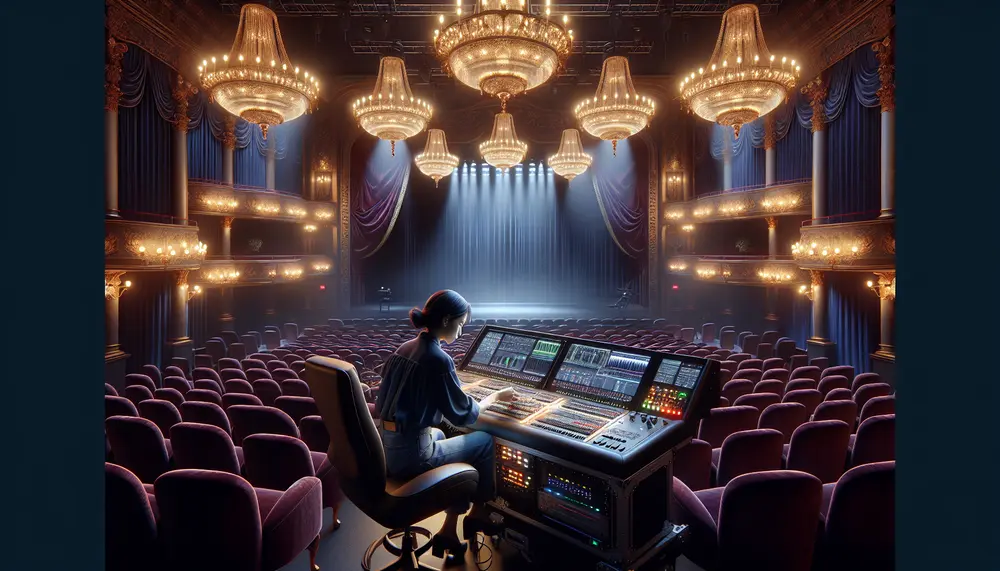
For those seeking a thorough understanding of what this profession encompasses, it becomes clear that specialization matters enormously. Architectural lighting designers work with daylight modeling software like DAYSIM or Radiance, while theatrical counterparts operate in entirely different frameworks — reading script breakdowns, coordinating with directors on emotional arcs, programming hundreds of cues into consoles like ETC's Eos platform. The crossover between these worlds is rarer than most assume, which is precisely why multi-disciplinary showcases benefit from assembling both types of expertise.
Core Techniques That Define Showcase-Worthy Work
The techniques that elevate lighting design into showcase territory share one common trait: intentionality at every decision point. Standout work consistently demonstrates mastery of several fundamentals:
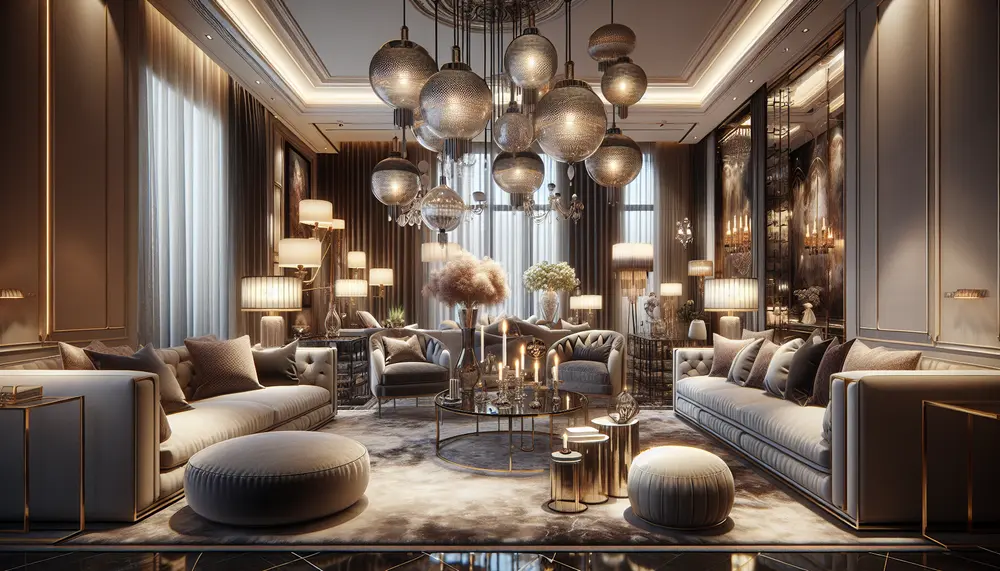
- Layered lighting: Combining ambient, task, accent, and decorative sources to create depth and visual hierarchy rather than flat, uniform illumination
- Color temperature strategy: Using the tension between warm (2700–3000K) and cool (4000–6500K) sources to guide viewer attention or establish temporal rhythm
- Dynamic programming: Designing scenes that shift across a 24-hour cycle or respond to occupancy, a technique increasingly central to biophilic design projects
- Shadow as material: Treating shadow not as the absence of light but as a compositional element with equal weight to illuminated surfaces
- Contrast ratios: Maintaining luminance ratios of 10:1 or higher between focal points and background planes to create dramatic visual impact
The theatrical world has long understood these principles at a granular level. The daily workflow of a theatre lighting designer — from pre-production meetings through technical rehearsals to post-opening tweaks — reveals a discipline built entirely around iteration and responsiveness. This same iterative mindset, when applied to architectural or product showcases, produces installations that feel alive rather than static.
Manufacturers have recognized the growing sophistication of the field. Collaborations between designers and technology partners — such as those developed through Osram's design partnership programs — demonstrate how proprietary LED modules, tunable white systems, and DALI-2 control protocols can expand the creative palette without compromising on efficiency metrics. The best showcase installations today are rarely conceived in isolation; they emerge from early-stage dialogue between designer, engineer, and manufacturer, with prototyping cycles beginning months before any public presentation.
Furniture as Showcase: Galleries, Craftsmanship, and Cultural Narratives
The line between furniture and fine art has never been thinner. When a hand-carved walnut credenza by Alexandre Chapelin sells at auction for over €80,000, or when Established & Sons presents limited-edition pieces at Design Miami alongside paintings and sculpture, it signals a fundamental shift in how the industry positions functional objects. Furniture has become a primary vehicle for cultural storytelling — and the gallery format is the medium through which that story reaches collectors, specifiers, and tastemakers alike.
The Gallery Model: Curation Over Commerce
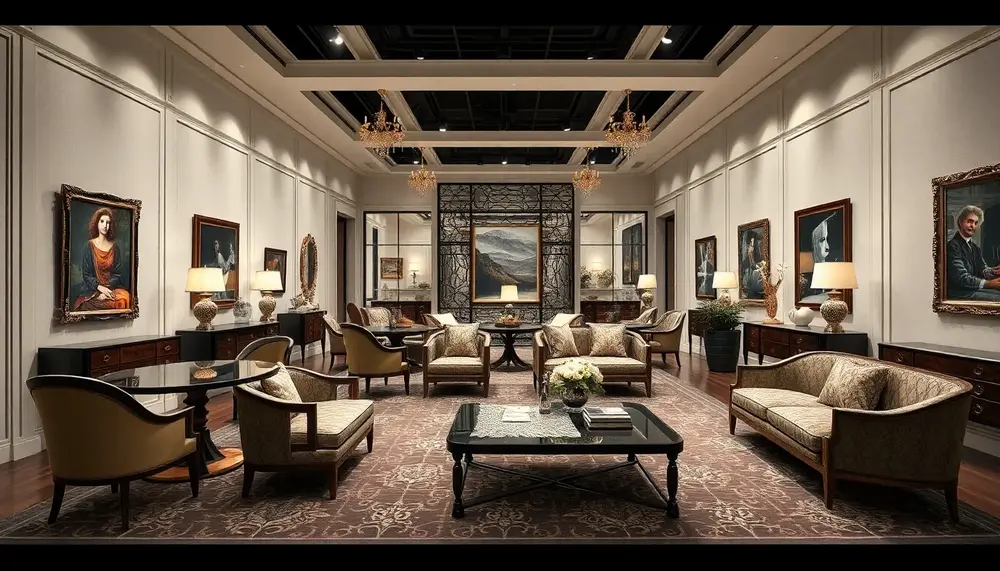
Leading design houses have systematically abandoned the showroom-as-warehouse approach in favor of environments where each piece occupies deliberate spatial relationships with its neighbors. At places like R & Company in New York's TriBeCa district, furniture is staged at viewing height, lit with museum-grade precision, and accompanied by maker biographies that rival exhibition catalogs. This is not incidental — it's a strategic repositioning that elevates perceived value and justifies premium pricing. Designers who present their work in curated gallery environments consistently report 30–40% higher average transaction values compared to traditional showroom formats, according to reporting from Wallpaper* and Dezeen business coverage.
The curation logic extends to sequencing. A well-designed furniture gallery doesn't arrange pieces by category or material — it builds a narrative arc. Visitors move through historical references, material experiments, and contemporary applications in a choreographed sequence. The result is that buyers don't just purchase a chair; they acquire a position within a larger cultural argument. Exploring how leading designer furniture galleries construct that experience reveals consistent principles: restraint in density, intentional negative space, and strong editorial identity.
Craftsmanship as Cultural Identity
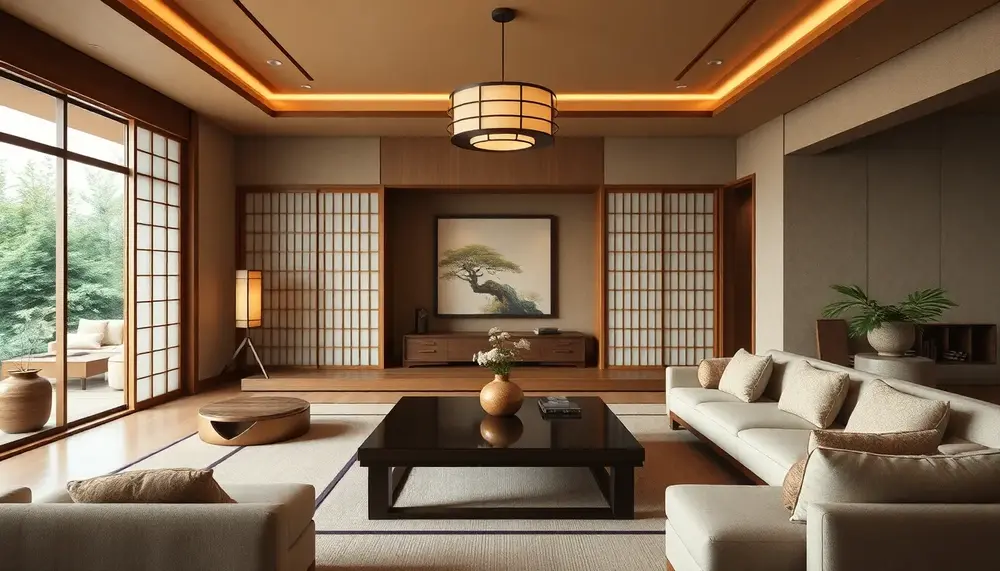
Geography matters profoundly in furniture's role as cultural artifact. The most compelling design showcases leverage regional craft traditions not as nostalgic decoration but as active methodology. Japanese joinery, for instance, carries 1,200 years of documented refinement — and contemporary studios like Nakashima Woodworkers or Konrad Knoblauch translate those techniques into pieces that command global collector attention. Understanding how Japanese craft traditions shape luxury furniture gives designers and specifiers a framework for reading authenticity versus appropriation across all regional craft narratives.
India presents an equally compelling case study. With over 7 million artisans working across woodcarving, metalwork, and textile traditions, Indian designers are increasingly synthesizing inherited craft knowledge with contemporary form language. Brands like Rohit Bal Home and Nicobar have built international followings by making this synthesis explicit — not hiding the craft origin but featuring it as the primary value proposition. Mapping which Indian designer furniture brands are leading this movement provides a useful benchmark for understanding how regional identity functions as a competitive differentiator at the global level.
For professionals building showcase environments, the actionable takeaway is this: identify the craft lineage embedded in the pieces you represent and make that lineage visible. Provenance documentation, maker profiles, and material sourcing transparency are not marketing add-ons — they are the narrative infrastructure that transforms a product display into a cultural statement. Galleries that fail to articulate this dimension leave significant perceived value on the table, regardless of the underlying quality of the work.
- Material provenance: Document origin, harvest method, and artisan biography for each significant material
- Process visibility: In-gallery video documentation of making processes increases dwell time by an average of 4–7 minutes
- Edition logic: Limited production runs with numbered certificates shift buyer psychology from purchase to acquisition
- Institutional validation: Museum loans, even temporary, permanently elevate a piece's auction and resale trajectory
FAQ about Design Showcases: Complete Guide 2026
What is the purpose of a design showcase?
A design showcase serves as a strategic tool for establishing authority, attracting high-value clients, and shaping industry perceptions of a designer's craft.
How do I differentiate my design showcase?
To stand out, focus on deliberate curation, contextual storytelling, and the technical execution of how your work is presented, ensuring it resonates with your target audience.
What elements are essential for a successful design showcase?
Key elements include a strong narrative around each project, measurable outcomes, high-quality visuals, and an effective presentation strategy tailored to the chosen platform.
How can regional aesthetics influence a showcase?
Understanding regional differences in aesthetic philosophy, material preference, and client expectation is crucial to avoid misreading sensibilities and to present works that resonate culturally.
Why is specialization important in design showcases?
Specialization helps firms to establish credibility and effectiveness in their niche, ensuring that every aspect of their showcase speaks to their expertise and the unique needs of their target market.